

Hunting the Wagonhound Ranch
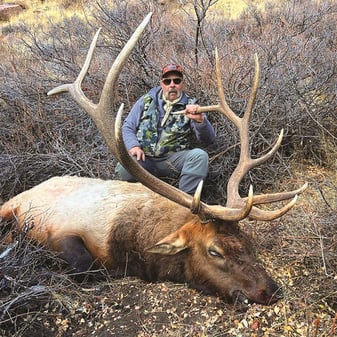
After diligent research, I contacted Dax McCarty of Wagonhound Outfitters and told him I had max poi...

| FEES | |
| Elk Regular License | $707.00 |
| Elk Special License | $1,965.00 |
| Elk Youth License | $290.00 |
| Elk Cow/Calf License | $303.00 |
| Elk Cow/Calf Youth License | $115.00 |
| Elk Preference Point | $52.00 |
| Elk Youth Preference Point | $10.00 |
| Deer Regular License | $389.00 |
| Deer Special License | $1,215.00 |
| Deer Youth License | $125.00 |
| Deer Preference Point | $41.00 |
| Deer Youth Preference Point | $10.00 |
| Deer Doe/Fawn License | $49.00 |
| Deer Doe/Fawn Youth License | $34.00 |
| Antelope Regular License | $341.00 |
| Antelope Special License | $1,215.00 |
| Antelope Youth License | $125.00 |
| Antelope Doe/Fawn License | $49.00 |
| Antelope Doe/Fawn Youth License | $34.00 |
| Antelope Preference Point | $31.00 |
| Antelope Youth Preference Point | $10.00 |
| Black Bear License | $373.00 |
| Gray Wolf License | $187.00 |
| Mountain Lion Full Price | $373.00 |
| Mountain Lion Reduced Price | $92.00 |
| Turkey | $74.00 |
| Moose Regular License | $2,767.00 |
| Moose Preference Point | $150.00 |
| Bighorn Sheep Regular License | $3,017.00 |
| Bighorn Sheep Ewe/Lamb License | $255.00 |
| Bighorn Sheep Ewe/Lamb Youth License | $115.00 |
| Bighorn Sheep Preference Point | $150.00 |
| Mountain Goat Regular License | $2,767.00 |
| Bison Bull Regular License | $6,017.00 |
| Bison Cow/Calf Regular License | $2,767.00 |
| Conservation Stamp | $21.50 |
| Elk Special Management Permit | $15.50 |
| Archery Permit, Adult | $72.00 |
| Archery Permit, Youth | $12.00 |
| $15.00 Non-Refundable Application Fee Included in Prices. 2.5% Card Processing Fee Not Included in Prices. Preference Point Purchase is Optional. |
|
| FEES | |
| Elk Regular License | $62.00 |
| Elk Youth License | $30.00 |
| Elk Cow/Calf License | $48.00 |
| Elk Cow/Calf Youth License | $25.00 |
| Deer Regular License | $47.00 |
| Deer Youth License | $19.00 |
| Deer Doe/Fawn License | $27.00 |
| Deer Doe/Fawn Youth License | $19.00 |
| Antelope Regular License | $42.00 |
| Antelope Youth License | $20.00 |
| Antelope Doe/Fawn License | $27.00 |
| Antelope Doe/Fawn Youth License | $19.00 |
| Black Bear License | $47.00 |
| Gray Wolf License | $21.00 |
| Mountain Lion Full Price | $32.00 |
| Mountain Lion Reduced Price | $20.00 |
| Turkey | $74.00 |
| Moose Regular License | $157.00 |
| Moose Preference Point | $7.00 |
| Bighorn Sheep Regular License | $157.00 |
| Bighorn Sheep Ewe/Lamb License | $41.00 |
| Bighorn Sheep Ewe/Lamb Youth License | $25.00 |
| Bighorn Sheep Preference Point | $7.00 |
| Mountain Goat Regular License | $157.00 |
| Bison Bull Regular License | $419.00 |
| Bison Cow/Calf Regular License | $265.00 |
| Conservation Stamp | $21.50 |
| Elk Special Management Permit | $15.50 |
| Archery Permit, Adult | $16.00 |
| Archery Permit, Youth | $6.00 |
| $5.00 Non-Refundable Application Fee Included in Prices. 2.5% Card Processing Fee Not Included in Prices. Preference Point Purchase is Optional. |
|
| WYOMING ELK SEASON DATES | |
| Archery | Sep 1 – Sep 30, 2025 (varies by unit) |
| Rifle | Oct – Nov, 2025 (varies by unit) |
| WYOMING DEER SEASON DATES | |
| Archery (mule & whitetail) | Sep 1 – Sep 30, 2025 |
| Rifle (mule & whitetail) | Oct – Nov, 2025 (varies by unit) |
| Late Rifle (whitetail) | Nov – Dec, 2025 (varies by unit) |
| WYOMING ANTELOPE (PRONGHORN) SEASON DATES | |
| Archery | Aug 15 – Sep 30, 2025 |
| Rifle | Sept – Oct 31, 2025 (varies by unit) |
| WYOMING BIGHORN SHEEP SEASON DATES | |
| Archery | Aug 1 – Aug 31, 2025 (varies by unit) |
| Any Legal Weapon | Aug – Oct 31, 2025 (varies by unit) |
| WYOMING SHIRAS MOOSE SEASON DATES | |
| Archery | Sep 1 – Sep 30, 2025 (varies by unit) |
| Any Legal Weapon | Sep – Nov, 2025 (varies by unit) |
| WYOMING MOUNTAIN GOAT SEASON DATES | |
| Any Legal Weapon | Sep 1 – Oct 31, 2025 |
| WYOMING GRAY WOLF SEASON DATES | |
| Trophy Game Management Area | Sep 15, 2025 – Mar 31, 2026 |
| Predatory Animal Area (outside TGMA) | Year-round (2025–2026), where legal |
| WYOMING BLACK BEAR SEASON DATES | |
| Spring (by area/quota) | Apr – Jun, 2025 (varies) |
| Fall (by area/quota) | Sep – Nov, 2025 (varies) |
| WYOMING BISON SEASON DATES | |
| Any Legal Weapon (Jackson/Teton areas, draw/CWT) | Nov 2025 – Jan 2026 (by area/permit) |
| WYOMING MOUNTAIN LION SEASON DATES | |
| General (harvest-limit by area) | Sep 1, 2025 – Mar 31, 2026 (some areas to Apr/May) |
Disclaimer: Wyoming seasons vary by hunt area, license type, and quota. Some seasons open or close by emergency order when quotas are reached (bear, wolf, lion). Always verify current dates and rules with the Wyoming Game & Fish Department before planning.
| YEAR | NON-RESIDENT ELK | MOOSE, SHEEP, GOAT & BISON | DEER, ANTELOPE & RESIDENT ELK | LEFTOVER DRAW |
|---|---|---|---|---|
| 2025 | May 22, 8 a.m. (MDT) | May 8, 5 a.m. (MDT) | June 19, 4 a.m. (MDT) | July 9 |
| 2024 | May 16, 5 a.m. (MDT) | May 9, 5 a.m. (MDT) | June 13, 4 a.m. (MDT) | Early July |
| 2023 | May 16, 5 a.m. (MDT) | May 4, 5 a.m. (MDT) | June 15, 5 a.m. (MDT) | July 6 |
| 2022 | May 19, 5 a.m. (MDT) | May 3, 5 a.m. (MDT) | June 14, 5 a.m. (MDT) | |
| 2021 | May 20, 10 a.m. (MDT) | May 3, 10 a.m. (MDT) | June 17, 8 a.m. (MDT) | |
| 2020 | May 21, 10 a.m. (MDT) | May 5, 10 a.m. (MDT) | June 18, 10 a.m. (MDT) | |
| 2019 | February 21 | May 9 | June 20 | |
| 2018 | February 22 | May 10 | June 21 |
Wyoming offers elk hunters one of the most diverse and rewarding hunting experiences in the West. The state provides wide-ranging seasons, different weapon options, multi-season opportunities, varied physical hunt types, and both trophy and opportunity units, making it a destination every serious elk hunter should consider. Elk numbers in Wyoming are currently at historic highs, and non-resident license allocations increased again in 2025. Hunters still have a realistic expectation of encountering and harvesting 350”+ class bulls in multiple regions of the state. While Wyoming may not consistently produce the extreme top-end giants seen in a few select western states, it delivers one of the best combinations of trophy potential, huntability, and tag accessibility for the point investment required.
| UNIT | COMMENTS |
|---|---|
| 1 Type 1 | Black Hills - 260-300"+ bulls available with a few better bulls taken each year. This is a small unit that borders South Dakota. Population is still slightly above objective with a good bull to cow ratio. A lot of public land, which is mostly made up of the Black Hills National Forest. The country is made up of dark-timbered ponderosa hills, rocky ridges, and moderate terrain with good access throughout. The archery hunt can be great as there is not much hunting pressure in September. Late rifle dates running through November can be a great hunt. |
| 7 Type 1 | Laramie Peak – Mostly 280-320"+ bulls available with a couple of 350"+ bulls taken each year, but quality has slipped a little in recent years. The elk population is still way over objective according to WGFD. The archery hunt is the best hunt on the unit for mature bulls. A lot of average bulls harvested with a few big bulls available on private land or in the rougher portions of the unit. With 1,500 type 1 tags issued, you can expect a ton of hunting pressure on public land when the rifle season opens. Upper elevations are mostly public land and can be hard to access due to private land. Most of the lower elevations are privately-owned. GPS or onX can be a huge asset for the self-guided hunter in this unit. The rifle hunt can be good if you go guided or get private land access. |
| 16 Types 1 & 2 | Shirley Mountain Early/Late - 280-320"+ bulls available with a couple of 350"+ bulls taken each year. Decent amounts of public land, especially in the Shirley and Seminoe ranges. Good access to public ground, but some areas are landlocked and will need permission or an outfitter to access. Physically easy hunt with some more rugged terrain at higher elevations. Type 1 is an early hunt, while type 2 is a late season post-rut hunt. Either license will also allow you to archery hunt during the September archery season. Usually, the better bulls can typically be found on private land. For a self-guided public land hunter, the archery and late season hunt are the best times to find more bulls on public land as they are rutting or migrating. |
| 19 Types 1 & 2 | Muddy Mountain - South of Casper. 280-320"+ bulls available with a couple 340"+ bulls taken each year. Population is doing well, but top end bulls are few and far between anymore. A mix of private, BLM, state, and some forest lands. A GPS or onX is a must have if you are not familiar with this unit. Hiring an outfitter can help you get access onto some of the private ranches where you will likely have a chance at a larger bull. Type 1 is an early hunt, while type 2 is a late season post-rut hunt. Either license will also allow you to archery hunt during the September archery season. Hunters have been successful on both hunts and draw odds are almost identical for 1 and 2 type license hunts. |
| 22 Type 1 | Ferris - 300-330"+ bulls available with potential for a 350"+ bull. The archery season is awesome as there is typically not much hunting pressure and bulls are actively chasing cows. The Ferris Mountains are mostly public land, but there is some private land, so a GPS will come in handy to help navigate the unit. There is some rough, rugged country at upper elevations, but a lot of the unit is rolling sage foothills that are physically mild. Big bulls move into thicker terrain after the rut and can be tough to glass as the country is broken. The type 1 license has been valid November 15-December 15 in units 22 and 111 the past couple years and will likely be again for 2025, giving hunters more opportunity to be successful. This is a great self-guided hunt, and that is why it is still taking max points to draw. |
| 23 Type 1 | Rattlesnake - 280-310"+ bulls available with a few better bulls taken each year. The archery hunt is the best hunt on the unit as bulls are active and will move off private ground. There is enough public land to hunt, but you are going to need a GPS as there is private land spread throughout. This can be a frustrating hunt with bulls staying on private land that do not allow any hunting, especially during the rifle hunt. This is more of a desert type hunt that is not very physically demanding. Hiring an outfitter with access to private ground is a good idea for this hunt. The type 1 license is also valid November 15-December 15 for any elk and can be a good time to hunt as cooler temperatures increase elk activity. |
| 24 Type 1 | Green Mountain - 270-300"+ bulls available with a few better bulls taken each year. Age class of bulls has been getting younger in recent years and bigger bulls are becoming scarce in this unit. The archery hunt is by far the best hunt on the unit, especially if you are wanting a bigger bull. Hunters have complained about overcrowding at times as most hunters focus around the Green Mountain area. A lot of public land with good road access throughout, which can make it tough to get away from other hunters. Some bulls will still be rutting on the opening day of the rifle season, but there will be a lot of hunters afield and mature bulls are often broken. The terrain is relatively mild with some broken sagebrush draw country and thick aspen areas in and around the Green Mountains. |
| 25/27 Type 1 | South Pass/Upper Sweetwater - 260-300"+ bulls with the occasional 320+ being harvested. The archery hunt is the best chance to find mature bulls as there is not as much pressure. A lot of public land for the self-guided hunter. The terrain is mostly mild with some more open country in unit 25. Unit 27 is more rugged with a little bit of wilderness country at the upper elevations. Bulls should still be rutting in early October for opening day of the rifle season, but there will be a lot of hunters afield. Elk can get pressured onto private land during the rifle hunt but also move from neighboring units in this area. |
| 30 Type 1 | Aspen Mountain - 280-320"+ bulls with potential for better. The population is doing well, but it is getting tougher to find a top end bull on this hunt. Small unit located south of Rock Springs. The terrain has plenty of public land with mild, open sage, grasslands, and timbered breaks. This is a great self-guided hunt, and that is why it is still taking top tier points to draw, but an experienced outfitter would be a huge asset. This is a fun physically, easy hunt with high success rates. The archery hunt is your best chance to find a bigger bull. Some of the checkerboarded private land is a grazing association that allows access. Bulls will get bumped in from neighboring units during the rifle hunt due to hunter pressure. |
| 31 Type 1 | Little Mountain – 300-330"+ bulls with potential for a bigger bull due to low tag allocations. The population is staying at objective, but it is getting tougher to find a top end bull on this hunt. Mostly public land that is very glassable and has good access. The terrain is open sage ridges and timbered breaks and is a mild to moderate physical hunt. Canyons and ridges that run off toward Flaming Gorge Reservoir to the west could hide some bulls. This is a great self-guided hunt, and that is why it is still taking max points to draw. The archery hunt or first week of rifle is when the majority of the large bulls are seen and harvested. |
| 32 Type 1 | Pine Mountain - 300-330"+ bull hunt with potential for bigger. The population is doing well, but the top end bulls are getting fewer and harder to find every year. Located south of Rock Springs along the Utah and Colorado borders. Mostly public land with a few private ranches scattered throughout the unit. The terrain is physically mild with good road access and very glassable. Rolling sage hills, sparsely-timbered ridges, and some timbered country near the southern end of the unit. This is a good hunt for both archery and rifle. This is a great self-guided hunt; however, an experienced outfitter can help you maximize the hunt after all these years of applying. Elk will move from neighboring units as well as Colorado on the southern boundary. Hunters will want to spend several days scouting and hunting to find a trophy class bull. |
| 34 Type 1 | Upper Powder River - 260-300"+ bulls available, but there is potential for a big bull, especially on private land. This unit is located on the southern end of the Bighorn Mountains. The elk herd is over objective, but the majority of them reside on private land. This is a good low point unit for a hunter looking for a guided hunt on private land. There are 800 tags issued that can make for a super crowded, frustrating hunt on public land. The majority of this unit is private ground with minimal access to public, so hunters may want to have something lined up before applying. |
| 35 Type 1 & Type 9 Archery | Hunter Mesa - 260-300" bulls with a few 350" bulls harvested every year. The archery hunt has been producing the biggest bulls in recent years on both the type 1 and type 9 licenses. Small unit located on the eastern slope of the Bighorn Mountains. The western portion of the unit is National Forest with a small section of wilderness in the northwest corner. This portion of the unit receives the majority of the hunting pressure, but with low license numbers, overcrowding is minimal, if at all. The lower elevations are mostly private land. The upper elevations are mountainous and heavily timbered. There is good access to public land throughout the unit. |
| 38 Type 1 & Type 9 Archery | Tongue - 280-320"+ bulls with better potential. The archery (type 9) hunt seems to be the best opportunity to harvest a good bull, but a few great bulls are killed on the October rifle hunt. The population is doing really well here. Big unit in the Bighorns comprised of National Forest land at upper elevations. The terrain is somewhat rugged with deep, grassy valleys and long, timbered ridges. Excellent public access with no wilderness to worry about. Hunters have the opportunity to hike or ride into more remote drainages to get away from pressure. The later rifle dates can be tough as elk move into lower elevations that are mostly private land or they move north into Montana. The archery hunt here is awesome but typically takes more points to draw. Only the hunters who draw the type 9 license can archery hunt this unit. |
| 39 Type 1 & Type 9 Archery | Deer Creek - 280-320"+ bulls with better potential. Small unit located on the western slope of the Bighorn Mountains. This unit contains a lot of public land and mountainous elk habitat with no wilderness. The country is similar to unit 38 except it is a little steeper and more physical. The upper elevations have long, timbered ridges and deep, grassy canyons. The later rifle dates can be tough, but a persistent hunter will be successful. The type 9 archery hunt is the best time to hunt bigger bulls with great rut action, but it does usually take a few more points to draw. The type 1 rifle hunt is a good hunt with success rates of 50% or better most years. |
| 40 Type 1 & Type 9 Archery | Horse Creek - 260-300"+ bulls with potential for bigger bulls. Located on the western slope of the Bighorn Mountains. This unit contains a lot of public land and mountainous elk habitat with no wilderness. The rifle hunt can be tough, but elk numbers are good and success rates have been running in the mid 40s in recent years. This is a good hunt for a self-guided hunter, but an outfitter will come in handy if you do not have a lot of time to hunt. The archery hunt is typically better for bigger bulls, but if the snow falls in late October, the rifle hunt can get good. Only the hunters who draw the type 9 license can archery hunt this unit. |
| 41 Type 1, 2, & Type 9 Archery | Medicine Lodge - 270-320"+ bulls with better potential, especially in the wilderness area. Located on the western slope of the Bighorn Mountains. This unit contains a lot of public land but has some wilderness areas in the southeast part of the unit. The wilderness holds some better bulls, but you need an outfitter or a Wyoming resident to access it as a non-resident. The type 1 license holders are only allowed to hunt the rifle dates opening in mid-October. Only type 9 tag holders are allowed to hunt the archery season in September. Type 2 tag holders have later dates to hunt in November, and if the snow starts to fall, it can be a great hunt with mature bulls migrating to lower elevations. This unit has a lot of tags, and it can be crowded at times outside of the wilderness. |
| 45 Type 1 & Type 9 Archery | Paint Rock Creek - 260-320"+ bulls with 340"+ potential in the wilderness. This unit has a lot of elk and typically has good hunter success of 50% on the type 1 licenses. A lot of public land with some wilderness in the northeast part of the unit. Terrain is relatively rugged with timbered mountains running off to sparsely-timbered foothills. The wilderness typically holds the best bulls, especially during the September archery hunt. Hunters that want to hunt archery will need to draw the type 9 archery only license. Hiring an experienced outfitter is a good idea to access the wilderness to maximize a hunter’s chance of harvesting a mature bull. |
| 51 Types 1, 2, & Type 9 Archery | Sunlight/Crandall - 280-330"+ bulls with the possibility of a big bull coming from Yellowstone Park. Located along the Montana and Yellowstone boundary in Northwest Wyoming. The type 1 and 2 hunts split the boundary of the unit along the Clark’s Fork River. Almost entirely National Forest land with a lot of wilderness on the type 1 side of the unit. The terrain is extremely rugged, and horses or mules are a big help. Big snows will push more elk out of the park, and the later part of the rifle season is typically the best to harvest a bigger bull. The archery hunts can be very tough as there are low densities of resident elk. Only the hunters who draw the type 9 license can archery hunt this unit. An outfitter is highly recommended for this hunt. This unit holds a lot of wolves and grizzly bears. |
| 54 Types 1, 2, 3, & Type 9 Archery | Bald Ridge - 280-320" hunt with 340"+ potential. The unit is comprised of a mix of private, National Forest, state, and BLM land. The private land can hold some great bulls, but it is difficult to get hunting access on. Public land can be good if you are willing to hike or go horseback. The type 1 hunt has been shortened to a month-long season for just the month of October as a type 3 license was added that is valid during the month of November. Type 1 licenses holders can only hunt south of the Clark’s Fork River. Type 2 is valid north of the Clark’s Fork River and runs the month of October. This is a good hunt, but you’ll have to work harder as the terrain is more rugged and there is less elk. The type 9 license is valid in the entire unit and can be awesome but tough when the cows are low and don’t come off of private land. Only the hunters who draw the type 9 license can archery hunt this unit. This unit holds a lot of grizzly bears. An outfitter is a good idea for a hunter that does not have a lot of time to scout or hunt this unit. |
| 55 Type 1 & Type 9 Archery | Grinnell - 280-320" hunt with 350"+ potential. Located along the Yellowstone boundary in Northwest Wyoming. This unit is almost entirely wilderness, so an outfitter is recommended. The terrain is rough, steep, and heavily timbered with alpine basins. Horses are a must for hunting this unit. Low density of resident elk in this unit. Big snows will start elk migrating out of the park and if that happens this hunt can get really good with a chance at a giant park bull. The archery-only hunt could produce a great bull, but don’t expect to see many elk. This unit holds a lot of wolves and grizzly bears. |
| 56 Type 1 & Type 9 Archery | Wapiti Ridge - One of the best hunts in the state. 320-350" bulls with the chance at a giant if you draw the type 1 license. Hunt dates during the month of November will usually result in migrating elk from Yellowstone, especially if the snow begins to fall. Starting in 2024 type 1 license holders are allowed to hunt unit 55 as well. A big portion of the unit is wilderness, which is steep and rugged. The weather is likely to be very cold and snowy. This can be a tough hunt for a self-guided hunter. An experienced outfitter is highly recommended. The archery-only option is a tough hunt and isn’t recommended for the unguided hunter. The unit can be hunted with a general license in October, but the migration usually is not in full swing by the time the season closes. This unit has a high density of grizzly bears. |
| 58 Type 1 | Sage Creek - 300-330" hunt with 350"+ potential. The archery hunt can be great with very little hunting pressure. The bulk of the unit is private land, and access can be tough. The Hoodoo Ranch is great, but a non-resident hunter will need to book with an outfitter to get access. This can be a great guided, physically easy hunt. Carter Mountain in the southwest portion of the unit has public land to hunt. Elk can be caught migrating from neighboring units through the public ground before reaching the private, but your timing will need to be right to catch them. The November dates are great to find a big migrating bull headed for the winter range. |
| 59 Type 1 & Type 9 Archery | Boulder Basin - One of the best hunts in the state. 320-350" bulls with the chance at a giant if you draw the type 1 license. More than half of the unit is designated wilderness with a smaller portion of National Forest in the northeastern part of the unit. The November hunt dates and low license numbers can make this hunt great. Season closing date was extended to November 30th starting in 2024, giving hunters an opportunity to hunt later in the migration. The terrain is rough, steep, and difficult to access. An outfitter is highly recommended for this hunt. Horses are going to make this a more enjoyable hunt. The unit can be hunted with a general license during the first three weeks of October, but elk migration from Yellowstone usually does not get rolling until November, depending on weather. This unit holds a lot of grizzly bears. |
| 61 Type 1 & 2 | North Greybull River - 300-330"+ bulls available with potential for better. Quality has dropped in recent years but is still a good hunt with high elk numbers and a good bull to cow ratio. This is a great choice for a hunter who wants to go on an outfitted backcountry horseback wilderness elk hunt. Tons of elk, but you are likely going to have to pass a lot of younger bulls to harvest a big bull. Valid only in the Washakie Wilderness portion of 61 and a small portion of 62. A lot of public land with wilderness areas consisting of steep, rugged mountains. Mostly open, grass-covered hillsides, burned areas, and thick pine. Great archery or early rifle hunt to experience the rut. Type 2 license runs into mid-November where hunters should get some migration coming from neighboring units. Bulls will be moving to lower elevations out of the wilderness into National Forest or private lands where access may be limited. This unit holds a lot of grizzly bears. |
| 62 Type 1 | South Greybull River - 300-320"+ bulls with 340"+ potential. Similar quality to unit 61 but with better access and not as much wilderness country. This is a great hunt for a self-guided hunter who has access to horses, but an outfitter is a must to get into the wilderness area. Terrain is steep, rugged timber country that is not for everyone, ranging from mountains that are more accessible with open, glassable country to the lowlands with rolling hills and a mix of state and private land. This unit can be hunted without horses, but you will need to be in great physical shape. The archery hunt can be awesome as there is usually not much hunting pressure. Most people draw this license to rifle hunt. This unit holds a lot of grizzly bears. |
| 63/64 Type 1, 2, & 3 | Wood River/Owl Creek - 300-330"+ hunt with the possibility of a big bull. A lot of the bigger bulls are coming out of the wilderness or off private ranches. The terrain can be physically demanding in the wilderness, and horses are really needed, especially for the type 2 license which is wilderness only. Access on public land outside of the wilderness is good, but make sure you have a GPS as there is a lot of private land down low. An outfitter can really help as most have private land access or hunt the wilderness. The type 3 license is a migration hunt where bulls will likely be moving to lower elevation in early November. Hunters will want to be prepared for cold, harsh weather if the snow falls, but bulls should be on the move and easy to find on this hunt. The archery hunt is really good and can produce a great bull if a hunter is in good physical condition and can be hunted on all three license types. Hunters can find good bulls outside the wilderness but will need to put in the miles to do so. The grizzly bear population is doing well. |
| 78 Types 1 & 2 | Wilson - 260-300" bulls, with the occasional bigger bull being harvested. Almost no public land available. You should have a guide lined up or landowner permission before applying as access is difficult. License holders can hunt August 15-September 25 off of National Forest land and September 26-January 31 in the entire unit. A weather-dependent hunt where winter snows will push more elk into the area. Most of the elk will be concentrated along the Snake River and adjacent agricultural grasslands. The type 2 hunt is only valid on private land except during the archery season. |
| 99 Type 1 | Big Sandy - 270-310" bulls, with potential for a bigger bull. Population is doing well, and a few larger bulls are being harvested in recent years. Majority of the unit is public land with a small amount of private land in the southern portion of the unit. Great access and plenty of public ground to hunt for the self-guided hunter, but an outfitter is recommended to maximize hunting in the wilderness and harder to access National Forest ground. The archery hunt is a great time to harvest a mature bull, but with the early October rifle dates, hunters have a great opportunity to hunt bugling bulls with a rifle. This unit has been trending up in both quality and quantity the last few years, making it a great hunt for someone in the mid-tier point range, looking for a good limited-entry elk hunt. |
| 100 Types 1 & 2 | Steamboat – 300-330"+ bulls available with potential for a bigger bull on the type 1 hunt. High populations, high success rates, and a lot of public land make this a great unit. Archery hunters get first crack at the bigger bulls, but the open country can make the archery hunt difficult. Rifle hunters typically see a lot of broken bulls as the bull to cow ratio is so high. Hunters are going to have to look over a lot of bulls to find a big unbroken bull. Good access with moderate terrain made up of rolling sage, grassland, and some deep canyons. There are also a few small mountain ranges, including Steamboat and Table Mountain. This is a great hunt for anyone, and that is why it is still taking max points to draw. The early August dates were removed from the type 2 hunt in 2022, but still opens for rifle September 1st with unit restrictions. This can still be a great hunt if you have access to private ground or don’t mind knocking on some doors. Hunters need to be aware of boundary restrictions and antler restrictions on the type 2 license. |
| 111 Type 1 | Seminoe – 300-330"+ bulls with better potential as this unit is on an upswing. The archery hunt is a great time to harvest a big bull before they get broken antlers due to high bull to cow ratios. A healthy population with very few tags makes for an enjoyable hunt. Rifle hunters should scout and try to kill early in the season before bulls get pushed onto private land. The terrain is very open and glassable, so finding elk is usually not a problem. Always high hunter success on this hunt. An outfitter with access on private land or with extensive knowledge of the unit is a good idea for a hunter with limited time. The type 1 license is also valid November 15-December 15 in units 22 and 111. |
| 113 Type 1 | Rochelle Hills – This unit is open for hunting every other year and was open in 2023, so Commission pending, we could see an elk hunt in 2025. 300-330"+ bulls available with potential for better. There is some private land, but over half of the country is public land made up of grasslands and pine timbered pockets. This is a fun, easy hunt that always produces some nice bulls due to being closed every other year. It is a popular unit with high success, so expect it to take a lot of points to draw when available. An outfitter can help access private lands for more opportunity. |
| 118 Type 1 | Shamrock Hills – 280-310" bulls available with a few bigger bulls being harvested every year. Big, wide, open expanses of open desert high plains. Mostly BLM, state, and private land. There is quite a bit of public land, but the elk really like to hang on the private land. Hunting pressure is minimal with few bull tags issued, which makes for an enjoyable hunt. The archery hunt can be great as bulls are moving on and off the public ground. Some big bulls get killed over water during the archery hunt. An outfitter can be helpful, especially if they have access to private lands. |
| 122 Type 1 | Pine Ridge - 300-330"+ bulls available, but mostly on private land. This unit is 74% private land with most public land being landlocked. Hunters should only be applying if they have access or are going with an outfitter. This is a good mid-point unit for a hunter looking for a guided hunt on private land. The archery hunt can be great on this desert unit on the right piece of ground. The late November rifle dates can produce a few good bulls as they begin to move around. Physical easy hunt for hunters of any ability. |
| 123 Type 1 | Black Thunder – This unit is closed periodically until WGFD decides to open it for a type 1 license every few years. That decision will be made at the season setting meeting in mid-April. It does have a type 2 license that has an antler point restriction in place. 300-330"+ bulls available with the type 1 license when issued. The unit is made up of rolling desert terrain with scattered pine-covered hills. It is a physically easy hunt. The majority of the land is private, but there is enough public land to hunt. A GPS is a must if you do hunt public land. Hiring an outfitter or paying a trespass fee is going to be the best option to take a better bull. It is always a popular unit with high success, so expect it to take a lot of points to draw. |
| 124 Type 1 | Powder Rim - One of the most popular units in the state. 320-340"+ potential with a couple 360"+ bulls harvested each year. The archery hunt usually produces some of the biggest bulls, but it can be a tough hunt with the open terrain in the unit. The desert terrain is moderate, open country with massive rolling sagebrush drainages. Lower population and elk herds are scattered throughout this huge unit. If you are willing to cover a lot of country and spend the time behind your glass, this is a great hunt. This unit gets a lot of pressure from Wyoming Commissioner elk tags. An outfitter can really help a hunter who does not have a lot of time to scout. This is a great self-guided hunt, and that is why it is still taking max points to draw. |

Unlock with a PRO or PRO+ Membership
Unlock with a PRO or PRO+ Membership

The application deadline for non-resident elk is 11:59 p.m. MST on February 2, 2026.
Our magazine, which is available in print and online, has everything in one location - application info, draw details and odds, fees, hunter requirements, point structure, age restrictions, youth information, weapon restrictions, other tag opportunites, hunt planning, and much more. If you would like access to all of our research, join today!

| WYOMING ELK SEASON DATES | |
| Archery | Sep 1 – Sep 30, 2025 (varies by unit) |
| Rifle | Oct – Nov, 2025 (varies by unit) |
Disclaimer: Elk seasons vary by hunt area, license type, and quota. Verify dates with Wyoming Game & Fish Department.

$199 BILLED ANNUALLY
Everything in Pro, plus unlimited one-on-one hunt consultations, and everything you need to prep like a pro and hunt like a fool.

$48 BILLED ANNUALLY
Access community intel, research tools, and our online magazine. Draw more tags and go on more hunts with better information.
Our members experience improved hunting opportunities as a direct result of the Huntin' Fool magazine. We are the only publication that breaks more than 20 states' hunting regulations and draw systems into bite-sized chunks for our members.

Twenty years ago, Wyoming started a modified preference point system for non-residents. This system is great if you got into it early. Unfortunately, the elk point creep isn’t much better than Wyoming’s sheep and moose point creep. In 2024, just 71 max point holders burned their points and drew out. With 571 nonresidents still sitting on max points going into the 2026 draw, and over 4,000 between0 between 16–20 points, you’re in for a long wait to catch an upper point unit. If you don’t have max points and you only want to hunt the most sought-after areas, make sure you are applying in an area that has random licenses.
Wyoming offers some of the better DIY hunting for elk in the West. With millions of acres of public land available, a hunter can simply choose a limited quota unit or a general region to pursue elk in. The downside for non-resident, self-guided hunters is the designated wilderness areas throughout the state, where a non-resident cannot hunt without an outfitter or Wyoming resident with a resident guide license. Many of these units produce some of the better bulls in the state. If you have a resident friend who is willing to hunt with you and has access to horses or mules, these units can make for a hunt of a lifetime.
Archery hunters have a good chance of hunting the archery season if they purchase the $72 archery license and apply for the available type 9 archery-only hunts or draw a type 1 or 2 license. If unsuccessful hunting the latter, you can return during the rifle season. Not all type 1 rifle units give you archery options, so check the regulations before applying. Wyoming is a state that allows hunters to use a crossbow during the archery season. If you’re not a bowhunter but want to experience the elk rut and extend your season, you might consider trying a crossbow hunt.
The units surrounding Yellowstone National Park in northwestern Wyoming are still consistently producing the state’s biggest bulls. These units are 51, 54, 55, 56, 58, 59, 61, 62, and 64. From late October through November, these areas can be great rifle hunts if early snowfall can push the bigger bulls. However, even in mild fall weather, these bulls tend to migrate as daylight hours shorten. There will always be some great bulls in these units due to the proximity of Yellowstone National Park and the difficulty of accessing and hunting these areas. Keep in mind that most of these units have wolves and grizzly bears. These units also have a lot of wilderness areas, which can limit self-guided, non-resident hunts. If you have 14 or more points and are planning on going guided (or have a friend with horses who is a Wyoming resident), you should probably be taking a hard look at these areas. These hunts will provide true backcountry hunting adventure and possibly a bull of a lifetime.
There are a good number of units scattered throughout southern and central Wyoming that are great DIY hunts if backcountry wilderness is not what you are looking for. Units 16, 22, 30, 31, 32, 100, 111, and 124 are extremely popular due to the amount of public land they offer. These units have managed for high bull-to-cow ratios, with very conservative numbers of bull licenses issued. This, in turn, produces better bulls. As always, due to the public access and number of good bulls, these licenses tend to max or near-max point holders in 2024. For hunters willing to work at navigating public access around private land, or who are willing to hunt private land by hiring an outfitter, there are some good hunts that can typically draw between 7–10 points. Units like 7, 19, 23, 34, 108, 118, and 120 have some great bulls, but they also have a significant amount of private land that can make a hunt challenging and sometimes very frustrating.
Some of the units within the Bighorn Mountains—35, 38, 39, 40, 41, and 45—have a great mix of opportunity, access, low wolf and grizzly populations, and quality for a self-guided hunter who is not sitting on max points. The downside to these units is that hunters will need to choose between archery and rifle hunting, as most do not allow both (unlike other units throughout the state). The Bighorn region has remained very consistent with the quality and overall number of bulls it produces on a yearly basis. Hunters that draw here can expect to have a chance at a mature bull if they hunt hard and have a little luck on their side. Rifle season in the Bighorns can be a bit crowded at times due to high allocation of licenses in some units, but those units also have lots of elk for hunters to pursue. Hunting pressure is usually a little lighter in the more remote wilderness areas. Units 35, 41, and 45 all have some wilderness areas. All the Bighorn Mountain units are at or above objective, so animals are available if you are willing to get after it.
Create a FREE ACCOUNT to unlock content
The best opportunity to hunt elk in Wyoming is still in the general season units. With the general areas splitting into three regions in 2024, it opened the door for WGFD to offer a few extra non-resident licenses. Applicants must now apply for one of the three general regions and cannot hunt all 504 general areas in the state. The regions are divided into Eastern, Southern, and Western and can be applied for in the regular or special draw from January 2nd through February 2nd. You must apply for the general season elk license during the same timeframe you apply for other limited-quota licenses. The 2025 draw results showed that an applicant needed more than 5 points to guarantee a general tag in the regular draw in the Western and Southern regions while the Eastern region required 3 points. Expect point totals to be slightly higher to draw the same tag in 2026 as point creep continues to plague the system. The random draw odds for last year were 28–100% in the special draw and 7–40% in the regular draw, depending on the region applied for.
General season elk licenses are a great option for hunters wanting to hunt more often without having to accumulate a bunch of points. These general licenses are slowly getting harder to draw, but hunters willing to jump into the special draw more often and will have significantly higher chances of drawing a random license. Regardless of when or how you draw a general license, you will need to do your homework and research areas you plan on hunting to be successful. Finding bulls in the 250–300” class range is a realistic expectation, but patient and persistent hunters may find bigger bulls if good conditions and luck come their way. Many units within all three regions have high success rates, oftentimes hitting over 30% year after year. Applicants applying for a general elk license will have to choose one of the three regions to hunt in, and they will only be able to hunt general units within that region if successful. Archery season is oftentimes the best chance to take a mature bull on a general hunt. If you draw a general license and want to hunt the archery season, you just need to purchase the additional $72 archery license. If you are not a bowhunter, Wyoming allows crossbows to be used in archery season if you purchase the archery license. Wilderness general units can produce some great bulls, but keep in mind that you’ll need an outfitter or a Wyoming resident with a resident guide license for you to legally hunt them. Some general units have a late September or early October rifle opener, which offers general license holders a fun and exciting rifle hunt with bugling bulls.
Refer to the general elk region tables for all general bull elk units that were available in 2025. Licenses in units 6, 36, 67, 68, 126, and 129 were only valid in a portion of the season or had a restriction on spike harvest during a portion of the season. Some general areas offer additional seasons for antlerless elk. All general units represented in the map may also be hunted unit-wide for any elk during the archery season, with the exception of units 6 & 36. Additionally, unit 127 does not have an archery-only season, and unit 78 cannot be hunted during the general regular season but does have a general archery season. Be sure to check the 2026 regulations when they are released to confirm no changes were made to a unit you will be hunting this fall.
Create a FREE ACCOUNT to unlock content
Advisor Articles from Our Magazine on Wyoming Application and Hunting Strategy
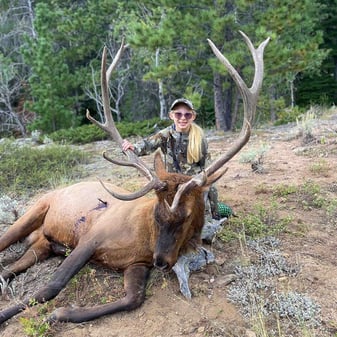
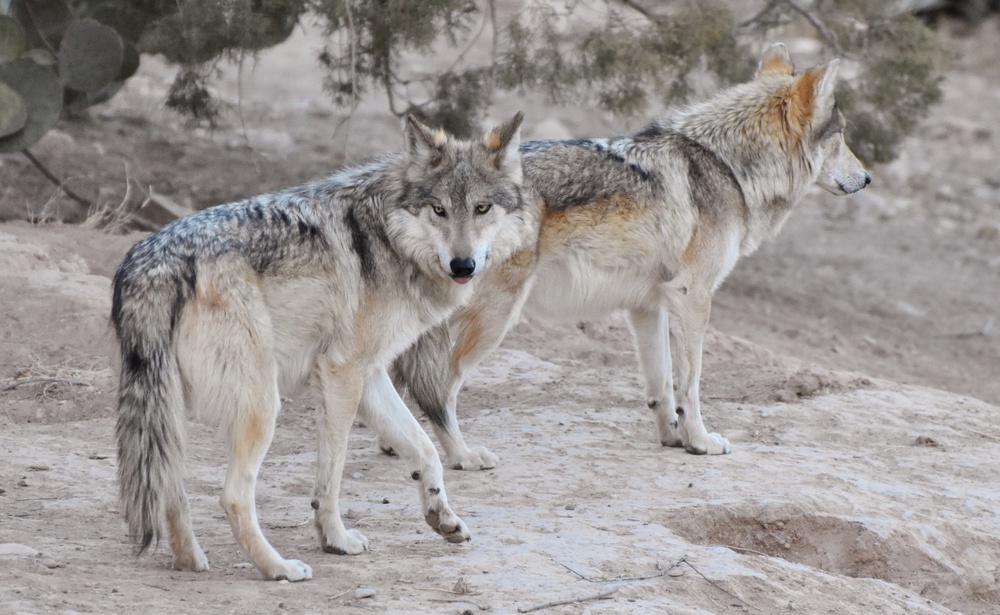
Hunters in Wyoming have been trying to manage the wolf population. If you are headed to Wyoming this fall on a hunting trip, we encourage you to have a wolf license in your pocket.


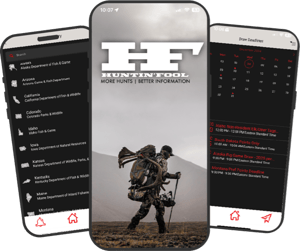
Huntin’ Fool offers a wide variety of services and resources within the hunting space, and the Huntin’ Fool App offers access to them all. Utilizing this app, you will be able to apply for hunts, plan hunts, buy hunts, and win hunts. This app is simple to use and puts the tools you need to go on great hunts right at your fingertips.


At Huntin' Fool, we are always looking for ways to improve our service and help out members to the very best of our abilities. We believe communication is what makes our Huntin' Fool community great!