

Never Too Old
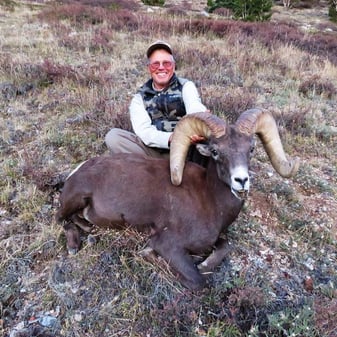
After decades of unsuccessful results trying to draw a tag in trophy areas, I decided that I wasn’t ...

| UP-FRONT FEES | |
| Annual Small Game Hunt License (Required to Apply) | $101.54 |
| Youth Annual Small Game Hunt License (Under Age 18, Required to Apply) | $1.50 |
| Habitat Stamp (Required to Apply, Adults Only) | $12.47 |
| Draw Application (Per Species) | $11.00 |
| Preference Point Fee (Per Species for Sheep, Moose, and Mtn Goat) | $100.00 |
| Preference Point Fee (Per Species for Deer, Elk, and Antelope) | $0.00 |
| Youth Preference Point Fee (All Species) | $0.00 |
| All non-resident licenses include an annual fishing license valid through March 31 | |
| POST DRAW FEES (IF SUCCESSFUL) | |
| Rocky / Desert Bighorn Sheep | $2,758.49 |
| Shiras Moose | $2,758.49 |
| Mountain Goat | $2,758.49 |
| Elk (Bull, Cow, or Either Sex) | $825.03 |
| Deer | $494.47 |
| Antelope | $494.47 |
| Black Bear | $294.75 |
| Mountain Lion | $825.03 |
| Turkey | $188.86 |
| Youth Big Game (Deer, Elk, and Antelope) | $126.18 |
| Youth Black Bear | $61.51 |
| Youth Turkey | $126.49 |
| UP-FRONT FEES | |
|---|---|
| Annual Small Game Hunt License (Required to Apply) | $36.68 |
| Youth Annual Small Game Hunt License (Under Age 18, Required to Apply) | $1.50 |
| Habitat Stamp (Required to Apply, Adults Only) | $12.47 |
| Draw Application (Per Species) | $8.00 |
| Preference Point Fee (Per Species for Sheep, Moose, and Mtn Goat) | $50.00 |
| Preference Point Fee (Per Species for Deer, Elk, and Antelope) | $0.00 |
| Youth Preference Point Fee (All Species) | $0.00 |
| POST DRAW FEES (IF SUCCESSFUL) | |
| Rocky / Desert Bighorn Sheep | $375.97 |
| Shiras Moose | $375.97 |
| Mountain Goat | $375.97 |
| Elk (Bull, Cow, or Either Sex) | $67.86 |
| Deer | $49.15 |
| Antelope | $49.15 |
| Black Bear | $61.62 |
| Mountain Lion | $61.62 |
| Turkey (Spring) | $36.68 |
| Turkey (Fall) | $30.44 |
| Youth Big Game (Deer, Elk, and Antelope) | $18.90 |
| Youth Black Bear | $18.29 |
| Youth Turkey | $19.21 |
| COLORADO ELK SEASON DATES | |
| Archery | Sept 2 – Sept 30, 2025 |
| Muzzleloader | Sept 13 – Sept 21, 2025 |
| Early Rifle (Limited Units) | Oct 1 – Oct 11, 2025 |
| 1st Rifle | Oct 15 – Oct 19, 2025 |
| 2nd Rifle | Oct 25 – Nov 2, 2025 |
| 3rd Rifle | Nov 8 – Nov 16, 2025 |
| 4th Rifle | Nov 19 – Nov 23, 2025 |
| COLORADO DEER SEASON DATES | |
| Archery | Sept 2 – Sept 30, 2025 |
| Muzzleloader | Sept 13 – Sept 21, 2025 |
| Early Rifle (Unit-Specific) | Sept 6 – Sept 14, 2025 |
| 1st Rifle | Oct 15 – Oct 19, 2025 |
| 2nd Rifle | Oct 25 – Nov 2, 2025 |
| 3rd Rifle | Nov 8 – Nov 16, 2025 |
| 4th Rifle | Nov 19 – Nov 23, 2025 |
| COLORADO ANTELOPE SEASON DATES | |
| Archery | Aug 15 – Sept 20, 2025 |
| Muzzleloader | Sept 21 – Sept 29, 2025 |
| Rifle | Oct 4 – Oct 12, 2025 |
| COLORADO MOOSE SEASON DATES | |
| Archery | Sept 6 – Sept 20, 2025 |
| Muzzleloader | Sept 13 – Sept 21, 2025 |
| Rifle | Oct 1 – Oct 14, 2025 |
| COLORADO MOUNTAIN GOAT SEASON DATES | |
| Archery (Unit-Specific) | Sept 2 – Oct 31, 2025 |
| Rifle (Unit-Specific) | Sept – Oct 2025 (varies by GMU) |
| COLORADO BEAR SEASON DATES | |
| Archery | Sept 2 – Sept 30, 2025 |
| Muzzleloader | Sept 13 – Sept 21, 2025 |
| Sep Rifle | Sept 2 – Sept 30, 2025 |
| 1st Rifle | Oct 15 – Oct 19, 2025 |
| 2nd Rifle | Oct 25 – Nov 2, 2025 |
| 3rd Rifle | Nov 8 – Nov 16, 2025 |
| 4th Rifle | Nov 19 – Nov 23, 2025 |
| COLORADO DESERT BIGHORN SHEEP SEASON DATES | |
| Rifle | Nov 1 – Nov 30 2025 |
| COLORADO ROCKY MOUNTAIN BIGHORN SHEEP SEASON DATES | |
| Archery | Aug - Dec 2025 (by GMU) |
| Rifle | Aug – Dec 2025 (by GMU) |
| COLORADO MOUNTAIN LION SEASON DATES | |
| General Season | Nov 24, 2025 – Mar 31, 2026 |
| COLORADO TURKEY SEASON DATES | |
| Spring Turkey | Apr 12 – May 31, 2025 |
| Fall Turkey | Sept 1 – Oct 5, 2025 |
Disclaimer: Season dates vary by GMU, weapon type, and draw status. Always confirm with Colorado Parks & Wildlife: https://cpw.state.co.us/thingstodo/Pages/SeasonDates.aspx
| YEAR | SHEEP & GOAT | MOOSE | ELK | DEER | ANTELOPE | BEAR | SECONDARY DRAW |
|---|---|---|---|---|---|---|---|
| 2025 | April 16 | May 27 | May 29 | May 28 | May 30 | May 27 | July 7 |
| 2024 | April 16 | May 28 | May 29 | May 29 | May 30 | May 28 | July 8 |
| 2023 | April 18 | May 30 | June 1 | May 31 | June 2 | July 7 | |
| 2022 | April 19 | May 31 | June 3 | June 2 | June 2 | July 7 | |
| 2021 | April 20 | May 25 | May 26 | May 25 | May 26 | July 6 | |
| 2020 | May 1 | June 1 | June 4 | June 3 | June 4 | ||
| 2019 | May 3 | June 5 | June 5 | June 5 | |||
| 2018 | May 4 |
Colorado Parks and Wildlife vows to continue with an aggressive approach to sheep hunting in the state, issuing as many tags as they feel necessary to sustain healthy sheep populations. This management tool has been proven to help prevent pneumonia outbreaks from occurring and will hopefully do just that in the future. This year, CPW will issue over 300 sheep tags statewide for lucky applicants to draw.
Colorado Parks and Wildlife manages most of the sheep units in the state for a six- to eight-year-old ram harvest objective. They take an aggressive approach to harvesting mature rams; mature rams are more susceptible to disease and, given the severity of winters in sheep territory, are seen as living on borrowed time. Ram size and quality varies throughout the state, with western rams typically exhibiting horn growth rates that often exceed those of rams harvested in the eastern portions of the state. This is mainly due to the severity of high-elevation winters out west and the better, easier-to-access feed in eastern regions. Every once in a while, however, a giant, odds-defying ram gets harvested out of a western unit. Hunters will want to remember that most sheep hunts in Colorado are extremely physical and not to be taken lightly. The terrain that these animals live in is very rugged, and hunters will want to be in good physical and mental shape before taking on the challenge.
Colorado continues to be a top destination for outdoor enthusiasts and recreational hikers, and sheep are consistently looking for a reprieve from these activities. This ever-increasing encroachment into historic bighorn sheep habitat is pushing sheep into new, oftentimes rougher, steeper country. This constant activity by recreationalists has changed sheep feeding and bedding habits, oftentimes making harvesting a lot tougher—even with all the advancements in technology. For instance, CPW is changing season dates for the early archery in S34 this year, in response to increased recreational use in that area; sheep are a popular wildlife-watching attraction, and the additional foot traffic pushes them onto private land. To counteract this, hunters are going to want to do their homework if successful in the draw. Scouting both in the field and digitally will be a huge asset as a greater human presence throughout the year has made sheep herd movements harder to predict. Becoming familiar with the entire unit may mean the difference between harvesting a sheep or leaving the mountains empty handed. Alternatively, if your schedule does not allow for scouting, you’ll need to hire a great outfitter willing to put all that work in for prior to your hunt.
Rocky Mountain bighorn sheep herds in Colorado have had their ups and downs, but they continue to be strong overall with an estimated population slightly north of 7,000 sheep. Sixty-nine GMUs are open to Rocky Mountain bighorn hunting. Sheep have, for the most part, remained healthy throughout the state in recent years, with the exception of units S32, S56, and S62 where outbreaks of pneumonia have resulted in significant die-offs and little to no lamb recruitment. Right now, sheep are rebounding in all areas except those north of I-70, which include Georgetown (S32), St. Vrain (S37), Big Thompson Canyon (S57), Lower Poudre River (S58), Poudre River (S1), and Rawah (S18). Populations in these areas have half as many bighorns as they had five years ago. As a result, tags have been cut and there is only, on average, one tag available in each of those units.
COLORADO’S ONLY NON-RESIDENT DESERT BIGHORN SHEEP UNIT
| Unit |
Description |
|---|---|
| S62 | Dominguez Creek — Good population of sheep with 165 estimated in 2024. Hwy 141 between Whitewater and the top of the divide typically holds sheep as well as along Escalante Canyon, which has some private access issues. You can access by going across the bridge at Brideport, but it’s a long hike to the sheep. 150-160” rams available. Population is stable. Hunters averaged 4 days of hunting in 2023. 5 total tags for 2025. |
| Unit | Description |
|---|---|
| S9 | Sangre De Cristo — Population is showing good signs improvements with 2024 estimated numbers showing 300 sheep. Physically demanding unit with sheep residing in mostly steep wilderness terrain. The best access is from eastside of the unit. Thick timber can make finding rams difficult and sometimes be frustrating. Hunters will need to be in good physical shape and stay mentally strong to find the ram they are looking for. This is one of the best producing units in the state, but it is a true high country sheep hunt. 165”+ potential, but bigger, mature rams will be tough to locate. Harvest success has dipped in recent years, but it is still a good sheep hunt. Hunters averaged 7 days to harvest in 2023. 9 total tags for 2025. |
| S12, S78 | Buffalo Peaks — Stable, healthy population holding steady at an estimated 200 head again in 2024. Smaller, scattered groups of sheep that can be hard to locate. Sheep are typically found along the Arkansas River and at higher elevations along the Continental Divide. Larger rams are typically in more remote, higher elevations. Quality is still good, but bigger trophy rams are becoming tougher to find. Good public access. This can be a tough archery hunt, especially in the higher alpine open country. Hunters will need to be in great physical shape to keep grinding and be successful. Hunters averaged 18 days to harvest in 2023. 8 total tags for 2025. |
| S34 | Rampart Range — Population is holding steady at an estimated 150 sheep in 2024. This unit does not have a rifle hunt. Later hunt dates during the rut can make for a very fun hunt. Lower elevation unit, but most of the sheep will still be in or near timber, making them hard to glass up. Great trophy quality and good genetics in a healthy population. Mature 170”+ rams available in this unit. Hunters should plan on multiple days to try and harvest a trophy class ram. Private property can be encountered with little to no access. Knowledge of public boundaries and access is important. Hunters averaged 3 days in 2023. 3 total tags for the second hunt in 2025. |
| S49 | Grape Creek/Copper Ridge — Good sheep population estimated at 175 head in 2024. Mix of private and public land can make this a difficult archery hunt. Private access will be very beneficial for sheep hunters in this unit. Sheep can typically be glassed from roads, but accessing them can be difficult and physically challenging. 160”+ rams available. Most harvest comes along the Arkansas River on the northern border, but there is also a small population that exists to the south along Hwy 96. Hunters averaged 3 days in 2023. 3 total tags for the first hunt in 2025. |
| S69 | Lower Cochetopa Canyon — This population was declining, but it seems to have leveled out with 130 sheep estimated again in 2024. Numbers seem to be holding there, but time will tell. Lower altitude country that is heavily timbered and rugged. Glassing this unit can be difficult due to the thick cover in the canyons. This is not an extremely physical hunt, but hunters will want plenty of days to locate and harvest a ram. There are some private property concerns in areas where rams may be located. Good archery option for 160-170” rams. Hunters did not harvest a ram on the second season hunt in 2023. 2 total tags for the second hunt in 2025. |
| Unit | Description |
|---|---|
| S3 | Mount Blue Sky — First rifle hunt. The population in this unit has been exploding in recent years, with an estimated 270 sheep in 2024. Sheep numbers have more than doubled since 2019. Most likely, this is due to sheep being pushed into open areas and being more visible from the heavy recreational hiking traffic in this unit, but lamb recruitment is also very high. Even with the high population of sheep, plan on a physical hunt, as most of the sheep are in steep, hard to access areas throughout the unit. A lot of recreational activity tends to keep animals pushed back into more remote areas. 160” potential. Hunters averaged 2 days in 2023. 4 total ram tags for 2025. |
| S3 | Same as above, just later season dates. Hunters averaged 8 days in 2023. 3 total ram tags for 2025. |
| S9 | Sangre de Cristo — Population is showing signs of improvement over the last two years with herd numbers jumping up to 300 sheep in 2024. Physically demanding unit with steep wilderness terrain. Tough access from the west, with better access from the east. Thick timber can make it frustrating to turn up rams, so hunters will want plenty of time to hunt and will need to be patient and persistent to be successful. This is one of the better producing units in the state, but it is definitely a true sheep hunt. 165”+ potential, but rams of that size can be tough to locate. Harvest success has fallen off the last few years. Hunters averaged 7 days in 2023. 9 total ram tags for 2025. |
| S11 | Collegiate North — Stable population estimated at 125 sheep again for 2024. Steep, rough wilderness terrain with some good access roads. Sheep herd is scattered in small bands throughout the unit from Cottonwood to Independence Pass. Expect mature rams to be in that 160”+ category, but they are few and far between. The number of tags issued makes it competitive for the number of quality rams available. Hunters will need to have plenty of time to hunt hard to harvest a bigger ram. Hunters averaged 9 days in 2023. 6 total ram tags for 2025. |
| S12, S78 | Buffalo Peaks — Stable population estimated at 200 between the two units, but nearly all of the sheep reside in S12. Scattered, smaller herds of sheep that can be hard to find, so hunters will want sufficient number of days to hunt. Sheep are typically found along the Arkansas River and at higher elevations along the Continental Divide. More moderate terrain with very good public access. Good hunt with 170”+ potential. Hunters averaged 9 days in 2023. 6 total ram tags for 2025. |
| S13 | Snowmass East — Population has dipped in the last year to an estimated 80 head. This is due to very low lamb survival over the past couple years. Sheep in this unit can be difficult to harvest with most of the rams living in steep granite slopes. This will be a horseback or backpack style hunt. Prepare for a physically demanding hunt even if using horses to access sheep country. Recreational hikers continue to be an issue, displacing sheep into different areas throughout the unit. 165”+ potential. Hunters averaged 9 days in 2023. 2 total ram tags for 2025. |
| S15 | Sheep Mountain — Population is still down below objective at 140 sheep estimated in 2024. Physical hunt, so hunters will need to be in good shape to navigate the steep terrain. Horses will be a huge asset in this unit and are highly recommended. Rugged and remote terrain but a good trail system in most areas. Almost entirely roadless where sheep are at. 160”+ potential, but sheep can be difficult to find due to the terrain. A lot of thick timber with some open parks and hillsides. Hunters hunted 5 days in 2023. 3 total ram tags for the first hunt in 2025. |
| S17 | Collegiate South — Population is holding steady at an estimated 125 sheep again in 2024. High elevation hunt among the rocky peaks and alpine basins. Physically demanding, but access to higher elevations is available with old mining roads and a solid trail system. Not known for great genetics with potential for mature rams in the mid to upper 150s. Sheep are known to move around a bunch in this unit, so if hunters are patient sheep will show. Hunters averaged 10 days in 2023. 6 total ram tags for 2025. |
| S21 | Cow Creek/Wetterhorn Peak — Healthy population holding at a consistent sheep again in 2024. Tough physical terrain but good public access into sheep country, with good established forest roads and hiking trails. One of the better hunts for bigger class rams in the state with 165” rams typically available and the possibility of something a bit better. This unit is still producing great rams, but hunters will need to be in good shape to get to where the bigger rams are. Hunters averaged 5 days in 2023. 8 total tags for 2025. |
| S22 | San Luis Peak — Population estimate is still below objective at 110 sheep in 2024. Herd is struggling with low lamb recruitment numbers in recent years. Smaller, scattered bands of sheep that are scattered throughout the unit. High altitude unit straddling the Continental Divide with plenty of public land, including La Garita Wilderness. Unit is still producing a few great rams with 165-170” potential. Hunters need to be in shape and plan on multiple days to turn up the best ram. Backpack or horseback hunt is recommended to access the best sheep country. Hunters averaged 10 days in 2023. 8 total tags for 2025. |
| S32 | Georgetown — Population estimates are down again in 2024, but numbers seem to be stabilizing with 225 sheep counted. The pneumonia outbreak is tapering off with fewer sheep being seen with symptoms. Steep, rugged terrain in this unit, but it can be day hunted from access roads. Rams are often timbered up due to early archery pressure, making them tough to find during the rifle hunts. Sheep can be found from roadways, although no hunting is allowed within 1/4 mile of I-70, U.S. 6, or U.S. 40. 165”+ rams are available with the chance for bigger rams, but expect this hunt to be tougher than past years due to the decline in ram numbers. Hunters averaged 8 days in 2023. 6 total ram tags for 2025. |
| S33 | Lake Fork/Pole Mtn — Stable population estimated at 180 sheep again in 2024. High elevation hunt, at 11,000-14,000’, so hunters will need to be in great shape. Better hunting in the hard-to-reach remote pockets and basins of the unit. Horses or backpack hunting is recommended to increase your odds of harvesting. Decent access roads that can serve as jump-off points into sheep country. 160”+ potential with the occasional larger ram being harvested. Hunters averaged 6 days in 2023. 7 total ram tags for 2025. |
| S33 | Lake Fork/Pole Mtn — Same as above but second rifle season. Hunters averaged 3 days in 2023. 7 total ram tags for 2025. |
| S54 | West Elks Wilderness — Population has increased the last decade and has been holding steady at an estimated 175 sheep for the last three years. Good genetics for a 160”+ ram for in shape hunters. These sheep tend to cover a lot of country and can be about anywhere within the higher elevation country in the West Elks Wilderness, making them difficult to find. Most sheep tend to concentrate from Red Creek in the south to West Elk Peak around Soap Basin. Harvest success has been hit and miss because of the sheep moving in and out of dark timber and remote locations that are hard to access. Hunters averaged 13 days to harvest in 2023. 4 total ram tags for 2025. |
| S66 | Mt. Elbert — Stable population estimated at 125 sheep again in 2024. Very physically demanding terrain with remote wilderness basins and mountain peaks. Scattered, small bands of sheep can be tough to turn up, and it typically takes multiple days to find a ram. 155-160”+ potential with the occasional bigger ram being harvested. One of the more challenging ram hunts that you will need to be in great physical and mental shape for, as it can be a grind. Hunters averaged 8 days in 2023. 6 total ram tags for 2025. |
| S74 | Glenwood — Small fluctuating population herd of around 50 sheep estimated in 2024. Most sheep reside in steep, rugged canyons close to I-70. Day hunting can be done in this unit with good success. Canyon walls are very steep, but good trails exist in the bottom that sheep can be glassed from. Hunters that get lucky enough to draw this tag will need to be in good shape to hunt the unit properly. Good potential for 170” class rams. Hunters averaged 6 days in 2023. 2 total ram tags for 2025. |

Unlock with a PRO or PRO+ Membership
Unlock with a PRO or PRO+ Membership
Please check the regulations for the specific dates you're looking for.
In 2026, Colorado will issue an estimated total of 308 Rocky Mountain bighorn permits, which is an increase of six permits from 2025. Ram and either-sex licenses are decreasing from 224 to 220. Ewe tags are increasing from eighty-two to a total of eighty-eight. Of those permits, thirty are set aside for non-residents, up from twenty-eight in 2025. Twenty-four of those are rifle permits, split between seventeen rams and seven ewes, and six are archery-only permits, with five ram permits and one ewe permit. Colorado and Utah are the only states in the West that have archery-specific Rocky Mountain bighorn sheep hunts. Archery hunts are difficult and have lower success rates, but they provide better draw odds than rifle hunts. Of those archery hunts, S34 and S69 are more archery friendly.
The Greenhorns (S35) are closing due to low sheep numbers from poor lamb recruitment. There was no hunt for non-residents previously. In Pikes Peak (S6), wildlife biologists are still observing sick lambs and adults following a pneumonia outbreak. Only the lambs appear to have been fatally affected, and biologists are hopeful that the deaths have stopped, allowing the population to stabilize. Despite the outbreak, the Pikes Peak sheep population has continued to grow the last three years and 2025 saw increased lamb recruitment. Similar to the Greenhorns, there haven’t been any non-residents tags in S6 previously. This year, however, non-residents will gain both a ram and an ewe tag.
The Grant herd in S4 has continued to grow. CPW added a resident ram tag for 2026. This unit may offer a non-resident tag in the future if the population continues to grow and remain healthy. The Sangre De Cristo (S9) herd has continued to thrive, growing steadily over the last three years. The population is estimated at 325 sheep. There will be a few non-resident tags offered in S9 this year.
Other changes for non-residents in 2026 include the addition of an S3 archery ewe tag. In S34, the second-season archery ram hunt is moving to the first-season hunt. S20 and S61 are getting a ram tag for the first-season rifle hunt. S74 is losing its ram tag. The first-season rifle ram tag in Snowmass East (S13) is being switched over to Snowmass West (S25) as the population on the west side of the wilderness has been doing better than its counterpart on the east side. Up until last year, there was only one ram tag available in this unit. Last year, two resident-only tags were available. This year, residents lost a tag; that tag will now be going to non-residents.
Create a FREE ACCOUNT to unlock content

Online applications must be submitted by 8 p.m. (MDT) on April 7, 2026.
Our magazine, which is available in print and online, has everything in one location - application info, draw details and odds, fees, hunter requirements, point structure, age restrictions, youth information, weapon restrictions, other tag opportunites, hunt planning, and much more. If you would like access to all of our research, join today!

| COLORADO ROCKY MOUNTAIN BIGHORN SHEEP SEASON DATES | 2025 DATES |
|---|---|
| Archery | Aug - Dec 2025 (by GMU) |
| Rifle | Aug – Dec 2025 (by GMU) |
Disclaimer: Season dates vary by GMU, weapon type, and draw status. Always confirm with Colorado Parks & Wildlife: https://cpw.state.co.us/thingstodo/Pages/SeasonDates.aspx
| COLORADO DESERT BIGHORN SHEEP SEASON DATES | 2025 DATES |
|---|---|
| Rifle | Nov 1 – Nov 30 2025 |
Disclaimer: Season dates vary by GMU, weapon type, and draw status. Always confirm with Colorado Parks & Wildlife: https://cpw.state.co.us/thingstodo/Pages/SeasonDates.aspx
Colorado is home to a second species of bighorn: the Desert bighorn sheep. They call the western border of the state home, and current CPW surveys estimate the population at around 500 sheep. The population is doing great, and declines in numbers in the Black Ridge area have stabilized. In 2026, Colorado will issue fifteen permits—the same number as in 2025. Once again, there will only be a single non-resident permit, and it will be in unit S62 for the ninth year in a row. A 160” class ram is a realistic expectation for the unit. If hunters put in their time and pick through the available sheep, they should have a successful hunt and turn up a mature ram.

$199 BILLED ANNUALLY
Everything in Pro, plus unlimited one-on-one hunt consultations, and everything you need to prep like a pro and hunt like a fool.

$48 BILLED ANNUALLY
Access community intel, research tools, and our online magazine. Draw more tags and go on more hunts with better information.
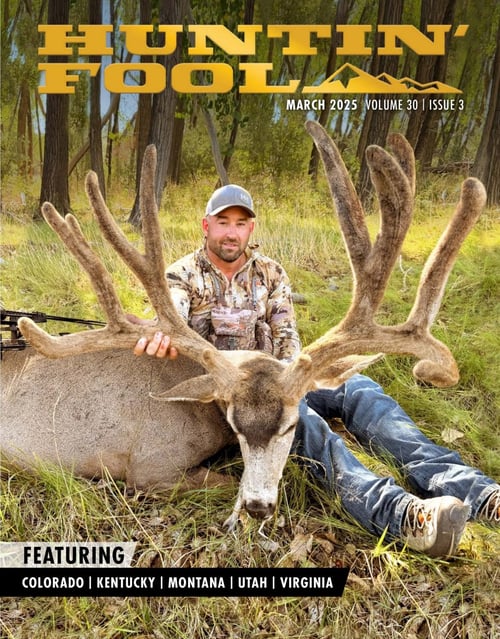
Our members experience improved hunting opportunities as a direct result of the Huntin' Fool magazine. We are the only publication that breaks more than 20 states' hunting regulations and draw systems into bite-sized chunks for our members.

There is no point system for Desert bighorn sheep in Colorado, which puts everyone on an even playing field in the draw. However, nonresidents between applying for Rocky Mountain or Desert sheep, as you can’t do both. Like all sheep permits in the Lower Forty-Eight, odds are dismal at best, but you can’t draw if you don’t apply. Applicants had a 1 in 2,352 chance in 2025. But there’s good news. If you’re not building points, you’re already applying for other species in the state, or you’ve already killed a Rocky Mountain bighorn and need a Desert sheep, it’s a great add-on species at an out-of-pocket cost of only $11.49.
Create a FREE ACCOUNT to unlock content
Advisor Articles from Our Magazine on Colorado Application and Hunting Strategy
Colorado has a reissue policy for limited licenses that are turned in after the draw. A returned license that took five or more preference points to draw will be manually reissued to the next eligible person. CPW will start by contacting the next five people from the current year’s draw order and attempt to reissue it. If none of those five accept, the license will be added to the leftover list. If a non-resident returns a license, it will be reallocated to a non-resident. Any returned license that took fewer than five preference points to draw will be placed on the leftover list. Colorado will issue any tag surrendered after the initial leftover license availability webpage. They will release a list of available permits each Tuesday and transfer them to the leftover list for purchase each Wednesday at 11 a.m. MT.
Create a FREE ACCOUNT to unlock content
Colorado has raffle and auction Governor-type permits. For more information, go to https://cpw.state.co.us/activities/hunting/big-game/auction-and-raffle-licenses. You can also refer to the article “Governor, Commissioner, and Conservation Tags” in our January 2026 issue.
Colorado also has a landowner voucher program. Up to ten percent of private-land-only and ten percent of unit-wide permits for deer, elk, and antelope licenses for both the general and restricted quota west of I-25 may be issued as landowner vouchers. East of I-25, up to fifteen percent of elk, and antelope licenses for the general quota and up to ten percent of licenses for the land restricted quota may be issued as landowner vouchers.
Create a FREE ACCOUNT to unlock content
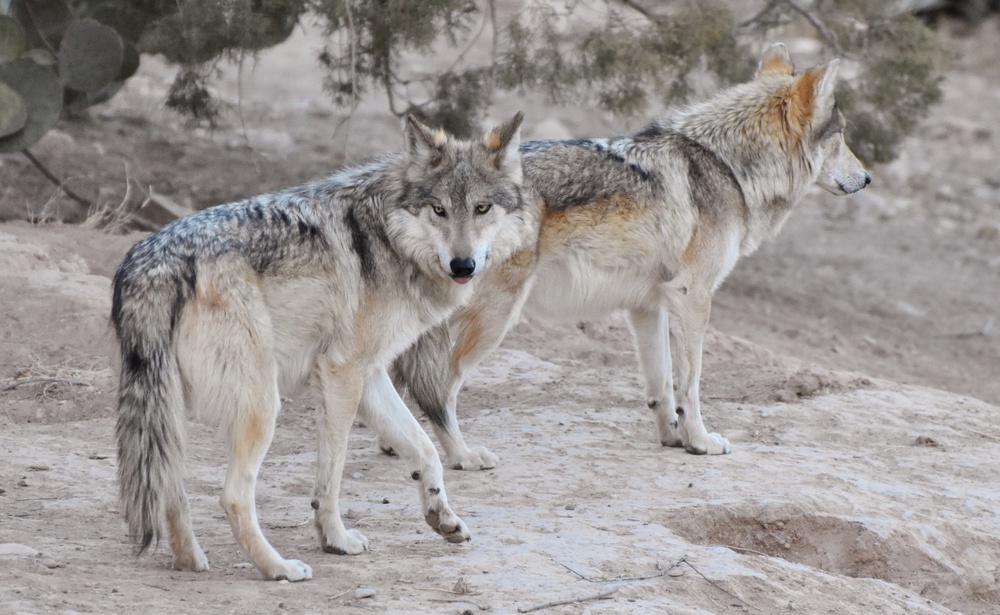
CPW has put a halt on translocating and releasing any further wolves this season. They will continue to explore options for translocations in the winter of 2026/2027. U.S. Fish and Wildlife Service requested additional information from CPW to ensure that the 10(j) rule and state management plan are being carefully considered in all wolf related management actions. The U.S. Fish and Wildlife noted that they may take further action based on future information provided to them by CPW. CPW intends to comply and provide requested data going back to December 12, 2023. Revoking the state’s authority to manage wolves and turning management over to the federal government would mean moving away from non-lethal methods of removing lethal ones. To date, of the twenty-five wolves released, eleven have died. The Colorado Cattlemen’s Association has been pushing for a pause to allow the state to create better loss control measures to deter wolves and to allow the state to catch up on loss payments to livestock producers after confirmed losses or claims for depredation have depleted funds. The state’s general fund allocated $350,000 annually to compensate ranchers. In 2025 alone, Colorado ranchers submitted claims that exceeded $1 million.
On another note, as of the time of this writing, the Pet and Livestock Protection Act has passed the house and is awaiting senate vote. This bill removes the gray wolf from the list of endangered and threatened wildlife, which could further hinder Colorado’s wolf reintroduction program. In summary, the state was not fully prepared for the outcomes and problems that the reintroduction of wolves has created.


Huntin’ Fool offers a wide variety of services and resources within the hunting space, and the Huntin’ Fool App offers access to them all. Utilizing this app, you will be able to apply for hunts, plan hunts, buy hunts, and win hunts. This app is simple to use and puts the tools you need to go on great hunts right at your fingertips.


At Huntin' Fool, we are always looking for ways to improve our service and help out members to the very best of our abilities. We believe communication is what makes our Huntin' Fool community great!