


Colorado Redemption
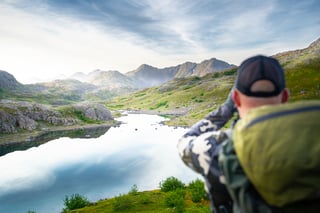
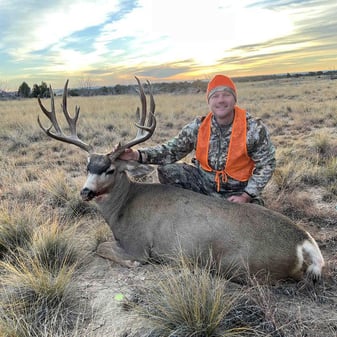
In April 2023, I received notification that once again I was unsuccessful at drawing a Colorado shee...


| UP-FRONT FEES | |
| Annual Small Game Hunt License (Required to Apply) | $101.54 |
| Youth Annual Small Game Hunt License (Under Age 18, Required to Apply) | $1.50 |
| Habitat Stamp (Required to Apply, Adults Only) | $12.47 |
| Draw Application (Per Species) | $11.00 |
| Preference Point Fee (Per Species for Sheep, Moose, and Mtn Goat) | $100.00 |
| Preference Point Fee (Per Species for Deer, Elk, and Antelope) | $0.00 |
| Youth Preference Point Fee (All Species) | $0.00 |
| All non-resident licenses include an annual fishing license valid through March 31 | |
| POST DRAW FEES (IF SUCCESSFUL) | |
| Rocky / Desert Bighorn Sheep | $2,758.49 |
| Shiras Moose | $2,758.49 |
| Mountain Goat | $2,758.49 |
| Elk (Bull, Cow, or Either Sex) | $825.03 |
| Deer | $494.47 |
| Antelope | $494.47 |
| Black Bear | $294.75 |
| Mountain Lion | $825.03 |
| Turkey | $188.86 |
| Youth Big Game (Deer, Elk, and Antelope) | $126.18 |
| Youth Black Bear | $61.51 |
| Youth Turkey | $126.49 |
| UP-FRONT FEES | |
|---|---|
| Annual Small Game Hunt License (Required to Apply) | $36.68 |
| Youth Annual Small Game Hunt License (Under Age 18, Required to Apply) | $1.50 |
| Habitat Stamp (Required to Apply, Adults Only) | $12.47 |
| Draw Application (Per Species) | $8.00 |
| Preference Point Fee (Per Species for Sheep, Moose, and Mtn Goat) | $50.00 |
| Preference Point Fee (Per Species for Deer, Elk, and Antelope) | $0.00 |
| Youth Preference Point Fee (All Species) | $0.00 |
| POST DRAW FEES (IF SUCCESSFUL) | |
| Rocky / Desert Bighorn Sheep | $375.97 |
| Shiras Moose | $375.97 |
| Mountain Goat | $375.97 |
| Elk (Bull, Cow, or Either Sex) | $67.86 |
| Deer | $49.15 |
| Antelope | $49.15 |
| Black Bear | $61.62 |
| Mountain Lion | $61.62 |
| Turkey (Spring) | $36.68 |
| Turkey (Fall) | $30.44 |
| Youth Big Game (Deer, Elk, and Antelope) | $18.90 |
| Youth Black Bear | $18.29 |
| Youth Turkey | $19.21 |
| COLORADO ELK SEASON DATES | |
| Archery | Sept 2 – Sept 30, 2025 |
| Muzzleloader | Sept 13 – Sept 21, 2025 |
| Early Rifle (Limited Units) | Oct 1 – Oct 11, 2025 |
| 1st Rifle | Oct 15 – Oct 19, 2025 |
| 2nd Rifle | Oct 25 – Nov 2, 2025 |
| 3rd Rifle | Nov 8 – Nov 16, 2025 |
| 4th Rifle | Nov 19 – Nov 23, 2025 |
| COLORADO DEER SEASON DATES | |
| Archery | Sept 2 – Sept 30, 2025 |
| Muzzleloader | Sept 13 – Sept 21, 2025 |
| Early Rifle (Unit-Specific) | Sept 6 – Sept 14, 2025 |
| 1st Rifle | Oct 15 – Oct 19, 2025 |
| 2nd Rifle | Oct 25 – Nov 2, 2025 |
| 3rd Rifle | Nov 8 – Nov 16, 2025 |
| 4th Rifle | Nov 19 – Nov 23, 2025 |
| COLORADO ANTELOPE SEASON DATES | |
| Archery | Aug 15 – Sept 20, 2025 |
| Muzzleloader | Sept 21 – Sept 29, 2025 |
| Rifle | Oct 4 – Oct 12, 2025 |
| COLORADO MOOSE SEASON DATES | |
| Archery | Sept 6 – Sept 20, 2025 |
| Muzzleloader | Sept 13 – Sept 21, 2025 |
| Rifle | Oct 1 – Oct 14, 2025 |
| COLORADO MOUNTAIN GOAT SEASON DATES | |
| Archery (Unit-Specific) | Sept 2 – Oct 31, 2025 |
| Rifle (Unit-Specific) | Sept – Oct 2025 (varies by GMU) |
| COLORADO BEAR SEASON DATES | |
| Archery | Sept 2 – Sept 30, 2025 |
| Muzzleloader | Sept 13 – Sept 21, 2025 |
| Sep Rifle | Sept 2 – Sept 30, 2025 |
| 1st Rifle | Oct 15 – Oct 19, 2025 |
| 2nd Rifle | Oct 25 – Nov 2, 2025 |
| 3rd Rifle | Nov 8 – Nov 16, 2025 |
| 4th Rifle | Nov 19 – Nov 23, 2025 |
| COLORADO DESERT BIGHORN SHEEP SEASON DATES | |
| Rifle | Nov 1 – Nov 30 2025 |
| COLORADO ROCKY MOUNTAIN BIGHORN SHEEP SEASON DATES | |
| Archery | Aug - Dec 2025 (by GMU) |
| Rifle | Aug – Dec 2025 (by GMU) |
| COLORADO MOUNTAIN LION SEASON DATES | |
| General Season | Nov 24, 2025 – Mar 31, 2026 |
| COLORADO TURKEY SEASON DATES | |
| Spring Turkey | Apr 12 – May 31, 2025 |
| Fall Turkey | Sept 1 – Oct 5, 2025 |
Disclaimer: Season dates vary by GMU, weapon type, and draw status. Always confirm with Colorado Parks & Wildlife: https://cpw.state.co.us/thingstodo/Pages/SeasonDates.aspx
| YEAR | SHEEP & GOAT | MOOSE | ELK | DEER | ANTELOPE | BEAR | SECONDARY DRAW |
|---|---|---|---|---|---|---|---|
| 2025 | April 16 | May 27 | May 29 | May 28 | May 30 | May 27 | July 7 |
| 2024 | April 16 | May 28 | May 29 | May 29 | May 30 | May 28 | July 8 |
| 2023 | April 18 | May 30 | June 1 | May 31 | June 2 | July 7 | |
| 2022 | April 19 | May 31 | June 3 | June 2 | June 2 | July 7 | |
| 2021 | April 20 | May 25 | May 26 | May 25 | May 26 | July 6 | |
| 2020 | May 1 | June 1 | June 4 | June 3 | June 4 | ||
| 2019 | May 3 | June 5 | June 5 | June 5 | |||
| 2018 | May 4 |
The Colorado 2026 hunting brochures are out. Colorado issues two sets of regulations: one for big game (antelope, bear, deer, elk, and moose) and one for sheep and goat. You can request a hard copy by calling 303-297-1192, or view them online at https://www.wildlife.state.co.us/ and https://cpw.state.co.us/. The application deadline is 8 p.m. MT on April 7, 2026. Sheep and goat licenses must be paid for by May 7. Deer, elk, antelope, and moose licenses must be paid for by June 12. Failure to pay will result in forfeiture of any accumulated preference points used to draw said permit as well as loss of the license.
Colorado Parks and Wildlife (CPW) has online applications only for all species. You will need to create an online account to apply in the 2025 draw or call CPW at 800-244-5613.
Visa, MasterCard, or Discover will be accepted. Corrections or modifications to applications are accepted in Colorado and can be made until the April 7th application deadline.
Group applications are accepted for all species, except for moose and Desert bighorn sheep. The number of applicants allowed within a group application is unlimited for all species except Rocky Mountain bighorn sheep and mountain goat, which allow a maximum number of two applicants. Non-residents and residents may not apply together for Rocky Mountain bighorn sheep or mountain goat. If non-residents and residents apply together and draw, the permits will count against the non-resident allocation total. Group applicants go into the draw with the lowest number of points held by any individual in the group. For example, three applicants in a group with one, six, and seven points will enter the draw with a group preference point total of one. Group members must apply for the same species, hunt code (in the same order), season, and method of take.
You can choose to only build points, but you still have to pay the non-refundable hunting license, application, habitat stamp, and point fees (if required). The preference point only code is S-P-999-99-P for Rocky Mountain bighorn sheep, G-P-999-99-P for mountain goat, M-P-999-99-P for moose, D-P-999-99-P for deer, E-P-999-99-P for elk, and A-P-999-99-P for antelope. The preference point fee is $100 for sheep, moose, and mountain goat, but it is free for youth.

Create a FREE ACCOUNT to Unlock
Deer, elk, antelope, and bear non-resident hunters are limited to up to 25% of the total permit numbers per hunt code unless the hunt has taken residents 6 or more points to draw on average for a previous three-year period. For those units, non-residents will be limited to 20% of those permits. The old non-resident quota for non-high-demand hunts was 35%. Non-residents are limited to 10% of the total number of sheep, mountain goat, and moose permits.
Colorado draws everyone’s first choice before anyone’s second, third, or fourth hunt choice is awarded. You may apply for points only as your first choice and still list a second, third, and fourth choice. If you draw your second, third, or fourth choice, you will still be given a preference point.
Colorado uses a hybrid draw for some units. In hunt codes requiring six or more resident preference points to draw, Colorado will issue 20% of available licenses for deer, elk, and antelope through a random drawing. The number of preference points required to draw shall be determined by calculating the average number of points a Colorado resident needed in order to draw the permit during the previous three-year period with one year of lag. A minimum of five preference points is required for an individual applicant to participate in the hybrid random drawing. Group applications are not eligible to participate. The hybrid draw occurs after the regular drawing, so in almost every case, non-residents will have already met their quota in the initial drawing, leaving no non-resident permits available in the hybrid draw.
Create a FREE ACCOUNT to Unlock
Colorado requires applicants to first purchase a qualifying small game hunting license in order to enter the draw. Applicants are not charged a preference point fee for elk, deer, antelope, and bear. Sheep, moose, and mountain goat applicants will have the option of purchasing a $100 point if unsuccessful. Alternatively, these applicants can opt out of the $100 point if unsuccessful and remain at the same point level. Remember, all male or either-sex hunts for sheep, moose, and mountain goat require at least three preference points to be considered in the draw. That means you must continue to acquire preference points until you have accumulated three points just to have a chance at drawing a permit. After you have accumulated three preference points, every additional point will be weighted point and theoretically increase your odds of drawing.
Anyone born on or after January 1, 1949 must have completed an approved hunter education course before applying. You must carry your hunter education card or proof while hunting. You can validate your hunter education card at most license vendors. Once your hunter education card has been validated, you will not need to carry it with you while in the field.

Youth may apply for a preference point if they turn twelve years old by December 31 of the application year. At age eleven, youth may buy or apply for a license if they will turn twelve before the end of season on the license. Youth cannot hunt with the license until they turn twelve.
Colorado has a true preference point system for elk, deer, antelope, and bear. For those species, permits are allocated to applicants with the most preference points within the non-resident quota. There is no maximum number of preference points for these species.
There is a slightly modified point system for moose, rocky mountain bighorn sheep, and mountain goat, and it is optional. For those species, you are awarded a preference point for the first three years you apply. You must build three preference points before you are actually entered into the draw. After you have three points, you can enter the drawing and permits are randomly allocated. If you are unsuccessful in the drawing, a weighted point can be awarded if you opt in and pay the point fee of $100. In this weighted preference system, your six-digit application number is converted to a new number determined by your weighted point total, plus one. (If you have zero weighted preference points, your application number is simply divided by one.) After the conversion, the lowest application numbers are then awarded licenses. As an example, if you have one weighted point, your application number will be divided by two, giving you greater chance of having a lower converted application number and therefore improving your odds of scoring a tag. There isn’t a point system for Desert bighorn sheep.
If you draw your first choice, or if fail to apply for any big game species for ten years, your points will be purged for that species.
Create a FREE ACCOUNT to Unlock

The odds we list for sheep, moose, and goat are based upon the number of non-resident applicants with three preference points. The odds are simple odds and are calculated without consideration of weighted points. If you want to see your exact draw odds based on the number of weighted points you have, go to https://www.huntinfool.com/drawodds/viewer and select the hunt you wish to apply for. In put your weighted point total to receive your exact draw odds from the previous year.
Elk, deer, and antelope odds are listed as the minimum number of preference points an applicant needed to draw a permit in 2025.
Colorado has a secondary draw. Most of the tags in the secondary draw are tags for hunts that did not have enough applicants in the primary draw to exhaust them. In 2021, CPW also began adding all permits that are returned or not paid for by the time the secondary draw list comes out. CPW will exclude all tags from that list that took five or more points to draw in the primary drawing. The deadline for the secondary draw is June 30 at 8 p.m. MDT. The payment deadline is July 21. Any eligible hunter ages twelve through seventeen will receive preference in the secondary draw for elk, deer, antelope, and bear licenses. Applicants will need to purchase a qualifying hunting license to enter the secondary draw. Preference points are not considered in the secondary draw, and applicants will neither gain nor lose points.
If you draw a permit and harvest any mountain goat or a Rocky Mountain bighorn ram for at least one-half curl, you must wait five years before applying again. Any Rocky Mountain bighorn sheep taken with an auction, raffle, or special management ram license is exempt from this waiting period. If you harvest a Desert bighorn sheep, you may never apply again for an antlered or either-sex moose license. If you draw a permit for any of these species but do not harvest, there is no waiting period to apply again.
Any eligible hunter aged twelve through seventeen will receive preference in the secondary draw for elk, deer, antelope, and bear licenses. Preference point fees are waived for all species for youth applicants. Youth hunters may receive up to fifteen percent of the limited doe antelope, antlerless and either-sex deer, or antlerless elk licenses established for each unit. These licenses are available by draw for all seasons and methods of take, including early and late rifle seasons. Group applications will not be accepted. Licenses not drawn by youth will be made available to the public. Permit prices for youth are considerably less expensive.
Colorado Youth Overview
By Huntin' Fool
By Huntin' Fool
By Huntin' Fool
By Huntin' Fool
By Huntin' Fool
 THE ADVISOR SERIES
In-line muzzleloaders are legal. Muzzleloader hunters cannot use pelletized powder, smokeless powder, or sabots. Open or “iron” sights are mandatory with no scopes of any kind. Fiber optic sights or fluorescent paint incorporated into or on open or iron sights are legal. Electronic or battery-powered devices cannot be incorporated onto or attached to the muzzleloading firearm. A minimum of .40 caliber is required to hunt deer and antelope, and a minimum of .50 caliber is required to hunt elk and moose. Archery equipment may not be used during muzzleloader seasons.
Only hand-held bows may be used during the archery season; this excludes crossbows from being used during the archery seasons. Scopes or magnifying sights cannot be used on bows in the archery-only season. Bows must be drawn or held by hand without the aid of any mechanical device. The bow’s draw weight must be a minimum of 35 pounds, and broadheads must have at least two steel cutting edges.
Firearms and bows carried on an OHV must be fully enclosed in a hard or soft case, and rifles must be unloaded in the chamber and magazine when on an OHV. A muzzleloader is considered unloaded when it does not have a primer or percussion cap on.
Whether you’re looking at easy-to-draw tags or over-the-counter options, Colorado remains a land of opportunity when it comes to accessible hunting. The state has only recently started releasing wolves, and while the impact is yet to fully play out, the state’s wildlife commission still has a couple members who believe in the North American Model of Wildlife Conservation and understand the importance of hunting to the state’s economy and wildlife management. For the time being, Colorado continues to support healthy populations of bear, deer, elk, and antelope, offering a wide range of hunting opportunities—particularly for those who value the experience of the hunt itself, rather than just the harvest.
However, the sentiment among many residents is shifting toward limiting non-resident hunting as game populations start to decline and the effort required to bag an animal increases. As hunting becomes more challenging, the push to prioritize residents over non-residents grows stronger. The landscape of hunting in Colorado is evolving, and it’s something hunters will need to pay attention to in the coming years, especially as wildlife management decisions continue to shift.
The decision to make all non-resident archery elk tags draw-only was a slight blow to non-residents, but it wasn’t an end to hunting elk in Colorado every year, if that’s what you like to do. Only one of those units hit quota in the primary draw, and 3,899 licenses went to the leftover list. You can easily put an archery elk license in your pocket if you are wanting to chase rutting bulls in September. You can also continue to build points with your first choice, put one of those -VIA hunt codes down as a second choice, draw that second choice license, and go hunt. Or, if you don’t care about building points, you can put a -VIA code down as a first choice to solidify grabbing one with near 100% odds. Keep in mind, however, that you don’t need to do any of that to get one of those tags; there will be leftover tags to pick up over the counter.
Over-the-counter second- and third-season rifle tags remain for a large number of units spread out across the western side of the state. Unfortunately, this year, units 54, 55, and 551 are making the jump over to limited license. The unit around Gunnison, you will need to put in for the draw. On the flip side, fifteen units in northwest Colorado containing what is commonly known as the White River herd were added back to second- and third-season OTC rifle hunts. The second and third rifle seasons see more hunting pressure, with the second season bearing the brunt of it. Harvest success is usually a bit lower and more unpredictable during the third season, primarily due to weather impacting access to elk in the backcountry. Elk can handle some snow, and they often remain at higher elevations if pressure permits into the third season. This can be a challenge if you’re not in peak physical condition or lack proper transportation to reach their hideouts. The second season offers advantages, including milder weather and calmer elk that have yet to be shot at, but fewer bulls are harvested compared to the third season.
Typically, bulls in general units are two to three years old, while herd bulls range from four to six years with over older individuals. Differences between over-the-counter units are often subtle and influenced by familiarity and past experiences, which play a big role in success. Ultimately, the heart of any over-the-counter hunt is the experience itself, so choose a unit that aligns with your desired adventure. If you need guidance, give us a call and we’ll help ensure you have a fantastic Colorado hunt with family and friends.
If you enjoy archery hunting, Colorado offers over-the-counter antelope licenses. Most of these OTC units are on the east side of the state, which does not have many options for public land hunting. However, there is still enough there to make it worth the effort. Antelope, especially in the southeast portion, have seen an increase in population, likely due to multiple mild winters in recent years, and this year’s hunting may turn out to be the best it has been in sometime.
Fortunately, Colorado still has a thriving moose population, and CPW has been very
liberal with the number of tags issued to non-residents over the years. There will be forty cow-only moose hunts for non-residents this year. New this year (and very exciting) is the addition of a wilderness-only hunt in unit 66. There will be at least one cow tag allotted for this hunt to non-residents this year. An important thing to remember about cow moose hunts is that there is a quota for the archery, muzzleloader, and first rifle hunts. Successful applicants for any of these hunts are limited to hunting only during the season they applied for. The late-season hunt code ending in -L1R- allows successful applicants to hunt first through fourth rifle hunt dates until they harvest.
Ewe sheep hunts are also a great opportunity for applicants who have very few sheep points and don’t mind spending their points and money on a Rocky Mountain bighorn ewe. Non-residents will be allotted seven rifle tags and one archery-only tag, which is new for this year.
If someone has drawn a license in a cow unit, they may add on a bear tag as well. Any hunt code with a bear pay symbol next to the hunt code symbol in the big game regulations qualifies you to add on a bear tag after you have drawn your license. There are also over-the-counter bear licenses, so if a buddy of yours has drawn a tag somewhere and you want to go hunt with them, you may be able to pick up a bear tag and accompany them with a tag in your pocket. Colorado has an abundance of bears and the hunting season for them is only in the fall.
Create a FREE ACCOUNT to Unlock
Colorado has a reissue policy for limited licenses that are turned in after the draw. A returned license that took five or more preference points to draw will be manually reissued to the next eligible person. CPW will start by contacting the next five people from the current year’s draw order and attempt to reissue it. If none of those five accept, the license will be added to the leftover list. If a non-resident returns a license, it will be reallocated to a non-resident. Any returned license that took fewer than five preference points to draw will be placed on the leftover list. Colorado will issue any tag surrendered after the initial leftover license availability webpage. They will release a list of available permits each Tuesday and transfer them to the leftover list for purchase each Wednesday at 11 a.m. MT.
Colorado has raffle and auction Governor-type permits. For more information, go to https://cpw.state.co.us/activities/hunting/big-game/auction-and-raffle-licenses. You can also refer to the article “Governor, Commissioner, and Conservation Tags” in our January 2026 issue.
Colorado also has a landowner voucher program. Up to ten percent of private-land-only and ten percent of unit-wide permits for deer, elk, and antelope licenses for both the general and restricted quota west of I-25 may be issued as landowner vouchers. East of I-25, up to fifteen percent of elk, and antelope licenses for the general quota and up to ten percent of licenses for the land restricted quota may be issued as landowner vouchers.
Colorado also has a landowner voucher program. Up to ten percent of private-land-only and ten percent of unit-wide permits for deer, elk, and antelope licenses for both the general and restricted quota west of I-25 may be issued as landowner vouchers. East of I-25, up to fifteen percent of elk, and antelope licenses for the general quota and up to ten percent of licenses for the land restricted quota may be issued as landowner vouchers.
Create a FREE ACCOUNT to Unlock
Colorado has a good landowner permit program, and we have hundreds of landowners who list their tags with us every year. Go to https://www.huntinfool.com/adventures/landowner to see the available tags. Colorado has many opportunities to go hunting. If you find yourself without a tag this fall, let us help you find something that suits your needs in Colorado.
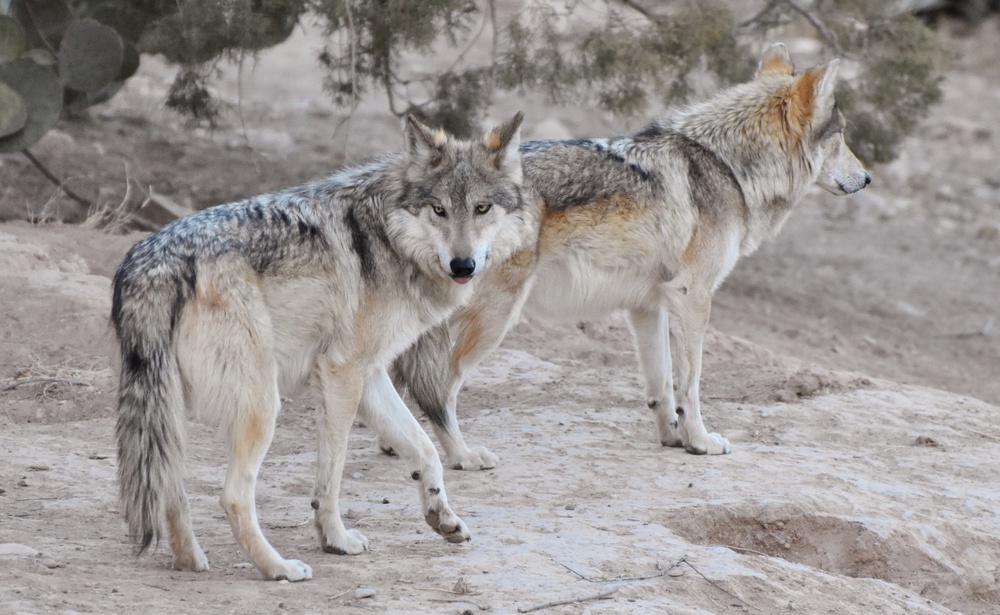
CPW has put a halt on translocating and releasing any further wolves this season. They will continue to explore options for translocations in the winter of 2026/2027. U.S. Fish and Wildlife Service requested additional information from CPW to ensure that the 10(j) rule and state management plan are being carefully considered in all wolf related management actions. The U.S. Fish and Wildlife noted that they may take further action based on future information provided to them by CPW. CPW intends to comply and provide requested data going back to December 12, 2023. Revoking the state’s authority to manage wolves and turning management over to the federal government would mean moving away from non-lethal methods of removing lethal ones. To date, of the twenty-five wolves released, eleven have died. The Colorado Cattlemen’s Association has been pushing for a pause to allow the state to create better loss control measures to deter wolves and to allow the state to catch up on loss payments to livestock producers after confirmed losses or claims for depredation have depleted funds. The state’s general fund allocated $350,000 annually to compensate ranchers. In 2025 alone, Colorado ranchers submitted claims that exceeded $1 million.
On another note, as of the time of this writing, the Pet and Livestock Protection Act has passed the house and is awaiting senate vote. This bill removes the gray wolf from the list of endangered and threatened wildlife, which could further hinder Colorado’s wolf reintroduction program. In summary, the state was not fully prepared for the outcomes and problems that the reintroduction of wolves has created.
The $104.86 annual small game license, $11.49 application fee, and $12.76 habitat stamp fee are non-refundable. Successful applicants have a brief surrender period immediately following the draw to decline their awarded license for a refund of the license fee and restoration of their preference points to pre-draw levels. In doing so, however, you will not receive an additional preference point for the year. You may also surrender your permit after this period, but you will need to choose to have either the cost of your permit refunded (in which case, any points accumulated prior to drawing the permit will be forfeit) or have your preference points fully restored. To have this choice, you must surrender your permit thirty days or more before the season opening day of the season for which your permit is valid. Keep in mind that all surrenders are final and cannot be reversed. Returned permits must be accompanied by a completed request form obtained from a CPW location. A $15 processing fee will be charged for returns, unless it is a youth permit. After there are fewer than thirty days before the season starts, preference point restoration or refunds are limited to medical circumstances, military service, or extreme extenuating circumstances.
A limited license can be exchanged. All licenses will be charged a flat rate of $5.00. There are no refunds or preference point restorations available on exchanged licenses. Exchanges can be completed at a CPW office or park up until the day before the season starts on the original license, provided the original tag was “floating” for the seasons involved. Licenses may only be exchanged for a hunt code for the same species. Hunters can exchange from OTC to limited and vice versa, given there is a quota available. Exchanges cannot be completed until leftover licenses and OTC licenses go on sale. Non-residents hunters may mail exchange requests.
Colorado Parks and Wildlife conducts big game harvest surveys each year by phone or email. Participation is not required unless you’ve hunted bighorn sheep, moose, or mountain goat. All bear, bighorn sheep, moose, and mountain goat license holders must complete a questionnaire and have their harvest inspected within five business days of harvesting. A tooth will be extracted from harvested moose and bears.
CPW requires mandatory submission of Chronic Wasting Disease test samples from a certain number of harvested bucks from select deer herds. Any notified hunter who harvests a deer in one of the identified units will be required to present their deer for testing at a CPW facility.
Throughout much of Western Colorado, there is ample public land to hunt. The Eastern Plains have very little public land by comparison. onX mapping is highly recommended if you are planning to hunt anywhere in Colorado.
CPW has a big game pilot program. This allows public access to some Walk-In Access (WIA) properties for deer, elk, and antelope hunting. Specific information will be available in the WIA brochure coming out in August.
Money from the sale of habitat stamps is used to acquire and manage habitat for hunting, fishing, and wildlife viewing—an endeavor that is overseen by the Colorado Parks and Wildlife program. Additional funding for that program comes from Great Outdoors Colorado (GOCO) and federal dollars.
Colorado Parks and Wildlife participates in the State Trust Lands Public Access Program. Not all state trust land is in this program. CPW has a brochure identifying properties open for wildlife recreation that will be out in August. Colorado is currently at 973,000 acres of state trust land and hoping to expand this program to over one million acres in the future. For a current map of acres enrolled in this program, go to https://ndismaps.nrel.colostate.edu/index.html?app=HuntingAtlas.
Advisor Articles from Our Magazine on Colorado Application and Hunting Strategy
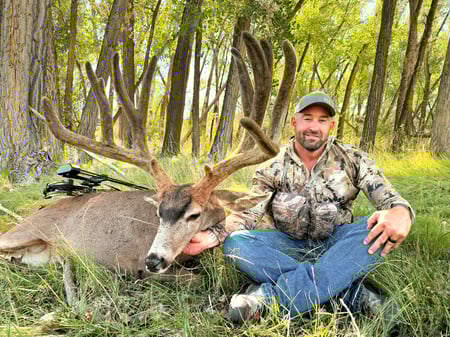
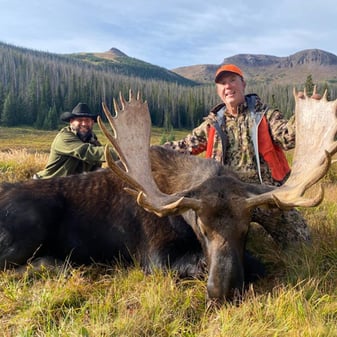

Huntin’ Fool offers a wide variety of services and resources within the hunting space, and the Huntin’ Fool App offers access to them all. Utilizing this app, you will be able to apply for hunts, plan hunts, buy hunts, and win hunts. This app is simple to use and puts the tools you need to go on great hunts right at your fingertips.


At Huntin' Fool, we are always looking for ways to improve our service and help out members to the very best of our abilities. We believe communication is what makes our Huntin' Fool community great!
Trophy hunting, defined as killing a big game animal solely to take its antlers, hide, or other trophy parts while leaving the carcass behind, is illegal in Colorado. State law considers this a felony offense, and hunters are required to properly tag, utilize, and report their harvests. For certain species like bears, mountain lions, and bobcats, mandatory inspection and sealing of specific parts is also required. While legally licensed hunters can pursue animals for their trophy value, they must comply with all regulations that ensure the full use of the animal and prevent waste.
In Colorado, the general minimum age to hunt big game and mountain lion is 12, though youth can apply for a license at age 11 if they turn 12 before the season ends. Youth ages 12–15 must be accompanied by a qualified mentor while hunting big game, and those under 16 must also be accompanied when hunting mountain lion, turkey (with a youth license), or small game with a youth license. There is no minimum age to hunt turkey as long as hunter education requirements are met. Youth hunters under 18 may purchase reduced-cost licenses, and those meeting education requirements can also choose to buy an adult small-game license, which allows them to hunt without a mentor. All hunters born on or after January 1, 1949, must have a hunter education card.
Yes, you can hunt on your own land in Colorado, but you must still follow all applicable hunting laws. This includes having a valid hunting license for the species you're pursuing, completing hunter education if you were born on or after January 1, 1949, and purchasing a Habitat Stamp if you're between ages 18–64. Season dates, bag limits, legal hunting methods, and game management unit regulations still apply on private land. While being the landowner satisfies the permission requirement for private-land-only licenses, you must ensure your land is eligible and within the appropriate hunt unit. Hunting near public roads or highways may also be restricted.
Yes, you can hunt on BLM (Bureau of Land Management) land in Colorado, as it is generally open to public hunting. However, you must have a valid Colorado hunting license and follow all state hunting regulations, including season dates, species rules, and legal methods of take. While BLM land is open to hunting, off-trail game retrieval with motorized vehicles is usually prohibited, and specific rules or access restrictions may apply in certain areas. Hunters are advised to contact the local BLM office for up-to-date maps, regulations, and any closures before heading out.
Yes, you can hunt in National Forests in Colorado. These public lands are generally open to hunting, but you must follow all state hunting regulations, including licensing, season dates, and legal methods of take. Some areas within National Forests may have temporary closures, access restrictions, or special rules, so it’s important to contact the local Forest Service office before your hunt to get up-to-date maps and information. Always confirm the regulations for the specific Game Management Unit (GMU) where you plan to hunt, as many GMUs include portions of National Forest land.
Yes, you can hunt with a suppressor (silencer) in Colorado. Suppressors are legal to own and use for hunting, target shooting, and personal defense. As long as you legally possess a suppressor in compliance with federal regulations, you are allowed to use it while hunting in Colorado, including for big game species like elk and mule deer. Suppressors help reduce noise and recoil, and are increasingly popular among hunters for safety and comfort.
Yes, you can hunt with a crossbow in Colorado, but only under certain conditions. Crossbows are legal for hunting big game and mountain lion **during rifle or associated methods seasons**, not during archery-only seasons. To be legal, a crossbow must have a minimum 125-pound draw weight, a 14-inch draw length, a working safety, and use bolts at least 16 inches long with broadheads that are at least 7/8 inch wide and have two steel cutting edges in the same plane. Crossbows also appear to be allowed for small game, though they cannot be used for archery season big game hunts. The legality of crossbows for turkey hunting is unclear in the available sources, so it’s best to check directly with Colorado Parks and Wildlife for confirmation.
Yes, a non-hunter can accompany a hunter in Colorado under certain conditions. For youth hunters and those using apprentice certificates, a mentor must be present, but the mentor does not have to hunt. Hunters with disabilities may also be accompanied by one or more non-hunters for assistance. In general, non-hunters are allowed to accompany licensed hunters as long as they do not participate in hunting activities and all regulations are followed. However, in areas like State Wildlife Areas (SWAs), non-hunters age 16 or older may need a valid hunting/fishing license or a SWA pass to be present. Always check specific property rules with Colorado Parks and Wildlife before heading out.
Yes, you can carry a pistol while bow hunting in Colorado, but it must be for self-defense only—not for hunting or finishing wounded game. Using a firearm to dispatch an animal shot with a bow is illegal. Open carry is legal, and concealed carry is allowed with a valid Colorado permit (note that not all out-of-state permits are recognized). Handguns are exempt from some transport restrictions, but rifles and bows must be unloaded and cased when transported on off-highway vehicles. Discharging any weapon from or across a public road or within 50 feet of its centerline is prohibited. Always review current Colorado Parks and Wildlife regulations before your hunt.
Yes, you can hunt on Sundays in Colorado. There is no statewide prohibition against Sunday hunting in the regulations. As long as you're hunting during legal hours, within the designated season, and following all other rules for the species and Game Management Unit (GMU), Sunday hunting is allowed. However, some specific properties—like certain State Wildlife Areas—may have their own access or day-use restrictions, so it's important to check the regulations for the exact area where you plan to hunt. Always consult Colorado Parks and Wildlife for the most up-to-date information.
Yes, you can hunt in wilderness areas in Colorado, but you must follow specific regulations. Wilderness areas like Flat Tops, Maroon Bells–Snowmass, Mount Evans, Buffalo Peaks, and Weminuche are open to hunting, and some offer “wilderness-only” hunt options with limited licenses. These areas often restrict motorized access and may require special permits, such as camping reservations in popular zones like Maroon Bells–Snowmass. While standard hunting rules apply, additional U.S. Forest Service regulations—like equipment limits and group size—may also affect your hunt. Always check Colorado Parks and Wildlife regulations and contact the managing agency before hunting in a designated wilderness area.
Yes, you can use walkie-talkies while hunting in Colorado, but only for general communication. It is **illegal** to use radios, walkie-talkies, cell phones, or other electronic devices to relay the location of wildlife to aid in hunting or to coordinate a shot. For example, telling a partner where an animal is or advising them to shoot is prohibited. However, using walkie-talkies to stay in touch for safety, planning, or non-wildlife-related coordination is allowed. Always follow Colorado Parks and Wildlife regulations regarding electronic communication while hunting.
The general big game hunting season dates in Colorado for 2025 vary by species, method of take (archery, muzzleloader, or rifle), and Game Management Unit (GMU). The Colorado Parks and Wildlife regulations provide a framework of statewide dates, but actual hunt periods may differ depending on hunt codes and unit-specific regulations. Most archery seasons start in early September, muzzleloader seasons typically run mid-September, and rifle seasons are staggered through October and November, with some late hunts extending into December or even January. Plains rifle seasons and over-the-counter options also provide extended opportunities in designated units. Hunters must consult the CPW’s website for exact season dates for their chosen species, unit, and license type.