Oregon Trifecta
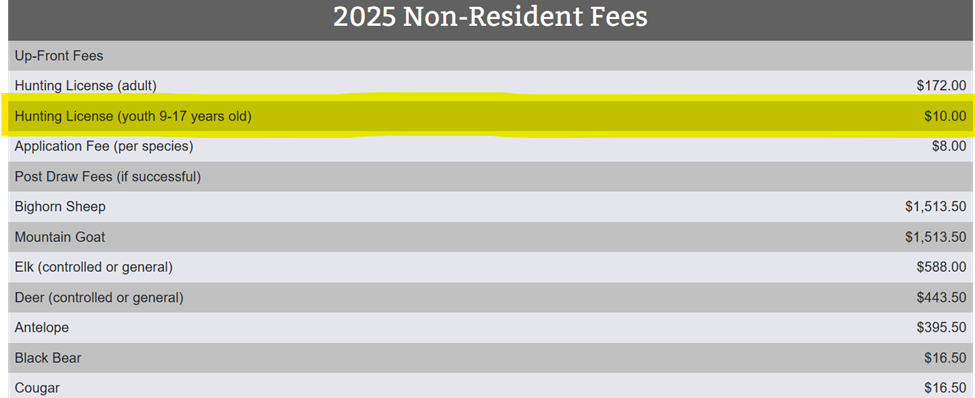
| UP-FRONT FEES | |
| Hunting License (Adult) | $172.00 |
| Hunting License (Youth 9-17 Years Old) | $10.00 |
| Application Fee (per Species) | $8.00 |
| POST DRAW FEES (IF SUCCESSFUL) | |
| Bighorn Sheep | $1,513.50 |
| Mountain Goat | $1,513.50 |
| Elk (Controlled or General) | $588.00 |
| Deer (Controlled or General) | $443.50 |
| Antelope | $395.50 |
| Black Bear | $16.50 |
| Cougar | $16.50 |
| UP-FRONT FEES | |
| Hunting License (Adult) | $34.50 |
| Hunting License (Youth 9-17 Years Old) | $10.00 |
| Application Fee (per Species) | $8.00 |
| POST DRAW FEES (IF SUCCESSFUL) | |
| Bighorn Sheep | $142.00 |
| Mountain Goat | $142.00 |
| Elk (Controlled or General) | $49.00 |
| Deer (Controlled or General) | $28.50 |
| Antelope | $51.50 |
| Black Bear | $16.50 |
| Cougar | $16.50 |
| OREGON DEER SEASON DATES | |
| Western Oregon Archery | Aug 30 – Sep 28, 2025 (varies by unit) |
| Eastern Oregon Archery | Aug 30 – Sep 28, 2025 |
| Western Oregon Any Legal Weapon | Oct 4 – Nov 7, 2025 (varies by unit) |
| Eastern Oregon Any Legal Weapon | Oct 4 – Oct 15, 2025 (vary by unit) |
| Youth Deer Hunt | Sep 27 – Sep 28, 2025 (statewide, controlled) |
| Late Archery (Western Units) | Nov 15 – Dec 7 / Nov 22 - Dec 14, 2025 |
| Muzzleloader | Oct – Nov 2025 (varies by unit) |
| OREGON ELK SEASON DATES | |
| Archery (Western/Eastern) | Aug 30 – Sep 28, 2025 |
| West Cascade Any Legal Weapon | Nov 8 – Nov 14, 2025 |
| Rocky Mountain (Eastern Oregon) Any Legal Weapon | Nov 8 – Nov 16, 2025 |
| Coast Bull Elk — 1st Season (Any Weapon) | Nov 15 – Nov 18, 2025 |
| Coast Bull Elk — 2nd Season (Any Weapon) | Nov 22 – Nov 28, 2025 |
| OREGON ANTELOPE (PRONGHORN) SEASON DATES | |
| Archery | Aug - Sep, 2025 (varies by unit) |
| Muzzleloader/Rifle | Aug – Sep, 2025 (varies by unit) |
| OREGON BEAR SEASON DATES | |
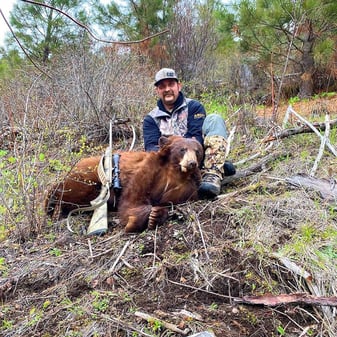
| Spring Bear | Apr 1 – May 31, 2025 |
| Fall Bear | Aug 1 – Dec 31, 2025 |
| OREGON SHEEP SEASON DATES | |
| Rocky Bighorn Sheep | Aug – Nov 2025 (varies by unit) |
| California Bighorn Sheep | Sep 22 – Oct 17, 2025 |
| OREGON MOUNTAIN GOAT SEASON DATES | |
| Mountain Goat (Controlled Hunts) | Aug – Oct, 2025 (varies by unit) |
Disclaimer: Season dates vary by unit, hunt type, and weapon choice. Always verify with the Oregon Department of Fish & Wildlife: https://myodfw.com/big-game-hunting/seasons
| YEAR | RESULTS POSTED |
|---|---|
| 2025 | June 12 |
| 2024 | June 12 |
| 2023 | June 12 |
| 2022 | June 20 |
| 2021 | June 20 |
| 2020 | June 20 |
| 2019 | June 19 |
| 2018 | June 20 |
| 2017 | June 15 |
Oregon’s Big Game Regulations for 2026 are available. Go online to www.eregulations.com/oregon/big-game-hunting/ to download a copy or call 503-947-6000 to request that a copy be mailed to you. The application deadline is May 15 at 11:59 PST. Draw results will be available by June 12. Since applicants do not submit tag fees, no refunds will be sent. If you draw, you will receive a notice to purchase your tag.
The only ways you can apply are online using a credit card or at licensed sales agent. You can apply online at https://odfw.huntfishoregon.com/login. If you made an error or want to change your application, you can do so in your online account through May 25.
Oregon allows up to eighteen people to apply as a party for deer and elk hunts and up to two hunters to apply as a party for antelope. No party applications will be accepted for bighorn sheep or mountain goat. If your party is drawn and there aren’t enough tags remaining to fill your party, then no hunter in your party will receive a tag. Party application points will be averaged. Oregon rounds points up from .51 and down from .50 to the next whole number. For example, if 3.50 is the party average, then all applicants in the party will apply with 3 points.
A maximum of 3% of antelope tags and 5% of controlled deer, controlled elk, and controlled black bear tags can be issued to non-residents, but the Guides and Outfitters Program gets 2.5% of these tags before the draw takes place. No less than 5% and no more than 10% of all bighorn sheep and Rocky Mountain goat tags will be issued to non-residents.
If you draw your second through fifth choice, you will gain a point and still obtain the tag. If you draw your first choice, your points go back to zero whether you decide to purchase the tag or not. You will retain your points until you are successful in drawing your first choice.
There are no waiting periods for deer, elk, or antelope. Bighorn sheep and mountain goat tags are limited to one tag per lifetime.
There are two options for tagging game mammals: paper tags and electronic tags. Hunters must choose one of these options at the time of purchase. The electronic tags must be immediately validated by pressing the “Validate” button on the image of the tag in the Department’s electronic licensing system mobile app. At the time of validation, a confirmation number will become visible. In addition to validating a tag electronically, the tag owner’s name, date of birth, ODFW ID#, harvest date, and confirmation number must be written in ink on a material of the tag owner’s choice (options include flagging, duct tape, or paper in a protective plastic bag) and attached securely to the game animal in plain sight.


$199 BILLED ANNUALLY
Everything in Pro, plus unlimited one-on-one hunt consultations, and everything you need to prep like a pro and hunt like a fool.
$48 BILLED ANNUALLY
Access community intel, research tools, and our online magazine. Draw more tags and go on more hunts with better information.
Our members experience improved hunting opportunities as a direct result of the Huntin' Fool magazine. We are the only publication that breaks more than 20 states' hunting regulations and draw systems into bite-sized chunks for our members.
Non-residents must purchase a hunting license and submit application fees to apply. Oregon accepts Visa, MasterCard, or Discover. Since applicants do not submit tag fees, no refunds will be sent.
Advisor Articles from Our Magazine on Oregon Application and Hunting Strategy
Oregon issues their own ID number to hunters and anglers to track them in their system. All information is attached to this number, including your preference points.
Youth hunters ages twelve through seventeen may apply for tags in Oregon, though they must purchase a juvenile hunting license prior to applying. Youth hunters can be eleven years old at the time of applying but must be twelve years old by the time of their hunt. Youth ages nine through eleven may apply for points only.
Applicants can apply for “points only” for deer, elk, antelope, and black bear in the main draw, or they may apply for “points only” during a separate application period from July 1 to November 30.
Oregon has a preference point system for elk, deer, and antelope where 75% of controlled draw permits will be issued to applicants with the most points. If there are three tags or less issued for a particular hunt, they will be issued to applicants with the most points. There is no point system for bighorn sheep or mountain goat. If you want to build points for elk, deer, and antelope and be guaranteed that you won’t draw, you can apply for points only. For 2026, the maximum number of points on-resident can have is 33 for deer and antelope and 32 for elk. Each year, it will increase by one point. The only way to lose your points is to draw your first choice.
Create a FREE ACCOUNT to Unlock
The draw odds are based on the number of points it took to draw that particular hunt in 2025. Remember, for all species except bighorn sheep and mountain goats, 75% of the tags are issued to the applicants with the most points. The other 25% awarded to the pool of remaining applicants with no regard to points, ensuring all remaining applicants have the same chance at drawing. In most cases, non-residents who applied with the most points were the only non-resident hunters who drew tags, as tag numbers in youth units are low.
The Mentored Youth Hunter Program allows youth ages nine through fifteen to hunt without passing a hunter education class or purchasing a license or tags. In a great program. While the youth must hunt a supervisor who is at least twenty-one years old, they are allowed to fill their supervisor’s tags—provided the supervisor is willing to donate them. For example, a husband and wife both buy over-the-counter blacktail deer tags in Oregon. They hunt with their nine-year-old son, who kills his first buck and puts his mother’s tag on it. Then, he kills another buck and puts his dad’s tag on it. Under the Mentored Youth Hunter Program, a youth can fill as many tags as their supervisor is willing to donate.
Muzzleloaders no longer need to have an open ignition system. Muzzleloader restrictions include no scopes (unless you have a qualified resident), in which case you should see the regulations for more information, pelletized powders, sabots, jacketed bullets, centerfire primers, or 209 primers. Only the following types are allowed: round balls made of lead, lead alloy, or federally approved nontoxic shot material. Cloth, felt, and paper patches are legal.
Archers may not have electronic devices attached to their bow, arrow, or draw-lock device. Broadheads can be either fixed or mechanical. They must be unbarbed and at least 7/8” wide. Archers must have a draw weight of at least 40 lbs.
Oregon is issuing one premium hunt per unit for elk, deer, and antelope. Winners of these tags can hunt with any weapon and have extended season dates. A separate application is required to apply for these premium hunts. There isn’t a non-resident quota associated with these tags, and you can apply for these premium hunts in addition to the regular controlled hunts. Applicants are allowed to submit one application per species, and applications are $10 each. There are no preference points associated with these permits. Elk, deer, and antelope season dates will be August 1 through November 30, 2026. Our top five trophy picks are shown under the species-specific sections in the coming pages. If you are interested in the entire list of available hunts, refer to pages 68–69 in the 2026 Oregon Big Game Regulations booklet.
Each year, Oregon raffles and auctions off a variety of big game tags for most species. For more information, check out pages 71-72 of the Big Game Hunting Regulations booklet or visit https://myodfw.com/articles/big-game-raffle-and-auction-hunts.
Leftover licenses for hunts with fewer applicants than there are tags will be available beginning at 10 a.m. on March 15 for black bear and 10 a.m. on July 1 for all other big game tags. Tags awarded through the controlled hunt drawing that were not claimed or purchased will not be available for sale.
Oregon has a landowner tag system for elk and deer that requires landowners to register in the Landowner Preference Program. To do so, landowners will have to pay a $5 registration fee, tag their property, and provide tax lot maps. Both the landowner and hunter must purchase a controlled hunt application prior to the deadline, and they must specify a landowner preference hunt choice on their application. If you receive an LOP tag, you can only hunt on the landowner’s property within the unit where you applied. Landowner antelope tags are only available to landowners and their family members, and they have to go through the same draw process listed above. See page 24 of the regulations for more information on the landowner tag program.
The Oregon Guides and Outfitters Program provides guides and outfitters the opportunity to market non-resident tags. A number of tags equal to one-half of the non-resident deer and elk tags drawn in the previous year are available through this program. In units with only one non-resident tag, that tag will alternate year to year between being issued through the draw or to an outfitter. Guides certified by the Oregon State Marine Board submit applications and compete for the right to market these tags. Tags not sold by April 15 will be available in the big game drawing. For more information, contact the Oregon State Marine Board at 503-378-2633.
Create a FREE ACCOUNT to Unlock
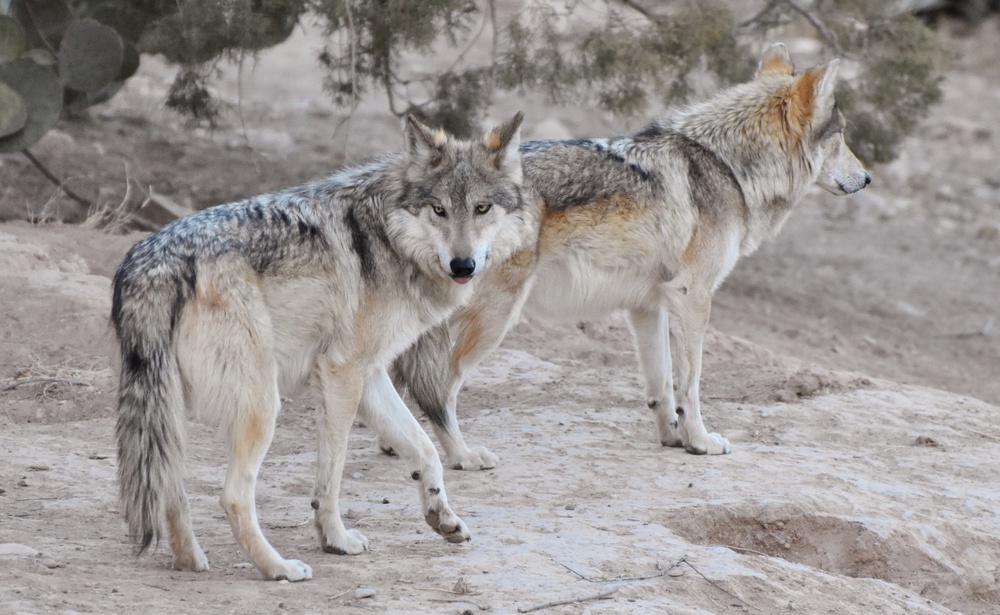
The current wolf population is estimated at over 200 wolves. The actual number of wolves in Oregon is likely much greater than this minimum estimate. Gray wolves are currently protected statewide, so hunting is not allowed. This allows Oregon’s wolf population to be healthy and continue to grow. Hopefully, wolf hunting will be allowed some day as wolves are having an impact on the elk populations in some areas.
Hunters have the option of deciding whether or not they want to purchase the tag for the hunt choice drawn. For all controlled hunts, hunters have until the day before the earliest hunt period opens to purchase their tag. After you have purchased your tag, Oregon does not offer tag refunds except for special circumstances. Contact the License Department for more information.
You can report your harvest by going online to https://odfw.huntfishoregon.com/login. Those who failed to report on 2025 deer and elk tags by the deadline will be penalized a 25% fee by the time you purchase a 2026 hunting license. See page 6 of the 2026 regulations for further information.
ODFW big game hunting maps can be found online at https://myodfw.com/big-game-hunting/areas. For researching the new eastern deer units go to https://myodfw.com/articles/eastern-oregon-deer-hunt-areas-2026.
The Oregon Department of Fish and Wildlife’s Access and Habitat Program was created in 1993 to improve wildlife habitat and public hunting access on private lands throughout the state. The program’s funding base comes primarily from a surcharge on hunting licenses and the annual auction and raffle of special deer and elk tags. Landowners participating in the program provide a wide range of public hunting opportunities, ranging from open access areas (where no permission is required to hunt) to areas where landowner permission is required.
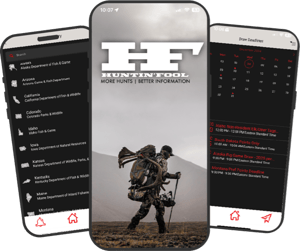
Huntin’ Fool offers a wide variety of services and resources within the hunting space, and the Huntin’ Fool App offers access to them all. Utilizing this app, you will be able to apply for hunts, plan hunts, buy hunts, and win hunts. This app is simple to use and puts the tools you need to go on great hunts right at your fingertips.
At Huntin' Fool, we are always looking for ways to improve our service and help out members to the very best of our abilities. We believe communication is what makes our Huntin' Fool community great!
Draw results for Oregon hunting are released at specific times depending on the species. For spring black bear, results are available by February 20. For all other big game controlled hunts—including deer, elk, pronghorn, bighorn sheep, and mountain goat—results are available by June 12. Hunters can check their results online through their ODFW account or at any license sales agent. If drawn, tags must be claimed before the first hunt period begins.
The cost of a hunting license in Oregon depends on residency status, age, and eligibility for special programs. A standard resident hunting license costs $39.00, while a nonresident license is $193.00. Residents may also opt for a Combination License (hunting and angling) for $86.00, or a Sports Pac for $253.00, which includes hunting, angling, shellfish licenses, and multiple tags and validations. Youth (ages 12–17) can purchase a Combination License for $10.00 or a Youth Sports Pac for $75.00. Seniors (70+ with 5 years residency) can get a Senior Hunting License for $25.00 or Senior Combo License for $56.00, while Pioneer residents (65+ with 50 years residency) can get a Combo License for $10.00. Active-duty military can buy a hunting license for $19.00 (resident) or $39.00 (nonresident), and disabled resident veterans (25%+ rating) are eligible for a free Combination License. All licenses are valid through December 31 of the year issued, and big game hunting requires additional species-specific tags.
https://myodfw.com/big-game-hunting/licensing-info
Yes, you can hunt on your own land in Oregon, but there are important conditions. If you're a resident and hunting on land you own and reside on, or that is owned by an immediate family member, you do not need a hunting license—but only for species that do not require tags. Most big game species (like deer and elk) require tags, so you must still purchase a hunting license to apply for and use those tags, even on your own land. However, no license or tag is required for landowners or their agents to hunt predatory animals (like coyotes or feral swine) on their property, and they may use spotlights or hunt from vehicles when doing so. Oregon also offers a Landowner Preference Program (LOP) that allows qualifying landowners with at least 40 contiguous acres to apply for controlled hunt tags specific to their property.
Yes, you can hunt with a pistol in Oregon, as long as it meets specific legal requirements. Handguns must be centerfire and meet minimum caliber standards: at least .22 caliber for deer, pronghorn, black bear, and cougar, and at least .24 caliber for elk, bighorn sheep, and mountain goat. Rimfire handguns (like .22 LR) are not legal for hunting big game (except western gray squirrel), and it is illegal to use fully automatic firearms, tracer or full-metal jacket bullets, or electronic sighting devices that project a beam or communicate with other devices. Always check area-specific rules, as some controlled hunts or units may restrict firearms or require other weapon types.
In Oregon, the minimum age to hunt depends on the type of game and license. Youth 11 and under may hunt small game and birds without a license but cannot hunt big game unless enrolled in the Mentored Youth Hunter Program, which allows youth ages 9–15 to hunt big game under the supervision of a licensed adult. Youth ages 12–17 must purchase a Combination License or Youth Sports Pac to hunt big game, enter controlled hunt drawings, or earn preference points. All hunters 17 and under must complete a Hunter Education Course before hunting, unless hunting on land owned by their parent or legal guardian. Additionally, youth 13 and under must be accompanied by an adult 21 or older while hunting off family-owned property, and anyone under 18 hunting game mammals or upland birds (except turkey) must wear hunter orange.
Yes, Hunter Education is required in Oregon for many hunters, especially youth. Anyone 17 years old or younger must complete a Hunter Education Course before hunting game mammals or upland game birds with a firearm (except turkey), unless they are hunting on land owned by their parent or legal guardian. The course can be taken online or in-person and includes a field day. An exception applies to youth ages 9–15 participating in the Mentored Youth Hunter Program, who may hunt big game without having completed the course—but they must be registered and accompanied by a qualified adult mentor. While not required for adults, Oregon strongly encourages all hunters to take Hunter Education for safety and awareness, and hunters under 18 must wear hunter orange while hunting big game or upland birds with a firearm.
Yes, in Oregon, hunters under 18 years old are required to wear hunter orange when hunting game mammals or upland game birds (excluding turkey) with a firearm. This includes wearing a hat or exterior garment that is hunter orange and visible from all directions. For adults, hunter orange is not required, but it is strongly recommended by the Oregon Department of Fish and Wildlife for safety, as most firearm-related incidents are visibility-related. Additionally, youth in the Mentored Youth Hunter Program must also follow the hunter orange requirement when using a firearm to hunt applicable species.
In Oregon, the big game animals you can hunt include deer, elk, pronghorn antelope, bighorn sheep, Rocky Mountain goat, cougar, and black bear. Deer and elk have both general and controlled hunt seasons, with varying bag limits such as antlered, antlerless, or spike-only designations. Pronghorn antelope hunting is primarily through controlled hunts, with tags for buck or either-sex. Bighorn sheep and Rocky Mountain goat hunts are strictly controlled with lifetime tag limits and no party applications allowed. Cougar hunting is permitted statewide during general seasons, though use of dogs is prohibited and some zones have mortality quotas. Black bear hunts include spring and fall seasons with general and controlled options, and successful hunters must check in their bear with ODFW. Moose is classified as a game mammal in Oregon, but there are no hunts listed for the 2025 season. Western gray squirrel is also classified as a game mammal, though it is typically managed under small game regulations.
Yes, you can hunt with a suppressor in Oregon, as there are no wildlife regulations that prohibit their use for hunting. The Oregon State Police Fish and Wildlife Division confirms that suppressors are legal under state wildlife laws. However, you must comply with federal law, which requires that any suppressor be properly registered through the ATF. Possessing or using an unregistered suppressor is illegal under ORS 166.272. So while hunting with a suppressor is allowed in Oregon, make sure your suppressor is legally acquired and federally registered before using it in the field.
Hunting season in Oregon varies by species, weapon type, and whether the hunt is a general season or a controlled hunt. For 2025, general archery seasons for deer and elk typically run from August 30 to September 28, with additional late deer archery opportunities in November and December depending on the unit. General rifle deer season runs from October 4 to November 7, while general rifle elk seasons vary by region, ranging from November 8 to 28. Black bear season spans August 1 to December 31, and cougar season is open year-round (January 1 to December 31). Controlled hunts for species like deer, elk, pronghorn, and bighorn sheep require applications, with deadlines on February 10 for spring bear and May 15 for most big game. Tag sale deadlines typically fall the day before a season begins. Other seasons include damage hunts for antlerless elk (August 1 to March 31) and small game like western gray squirrel (September 1 to November 15 in most areas). Always consult the Oregon Department of Fish and Wildlife regulations for exact dates, tag requirements, and WMU-specific rules.
Deer
The general Any Legal Weapon season for buck deer in Western Oregon runs from October 3 to November 6, 2026.
Many Eastern Oregon controlled buck hunts occur from October 3 to October 14.
General archery seasons for deer typically take place from August 29 to September 27.
Premium deer hunts run from August 1 to November 30
Youth hunters (ages 12–17) receive an extended season through November 8.
Elk
General archery elk season runs from August 29 to September 27.
General Any Legal Weapon seasons include the West Cascade hunt (Nov. 7–13)
The first Coast season (Nov. 14–17), and the Second Coast season (Nov. 21–27).
Premium elk hunts are valid August 1 to November 30.
Antelope (Pronghorn)
Controlled Any Legal Weapon hunts for pronghorn often occur in mid-August, such as August 15 to August 23.

Premium hunts run August 1 to November 30.

Bighorn Sheep
Bighorn Sheep and Rocky Mountain Goat: These are controlled hunts only, with specific season dates that vary by hunt code and unit. Most hunts occur in late summer or early fall.
Rocky Mountain Goat
Controlled Hunts Only: Season dates vary (apply by May 15)